
Plants
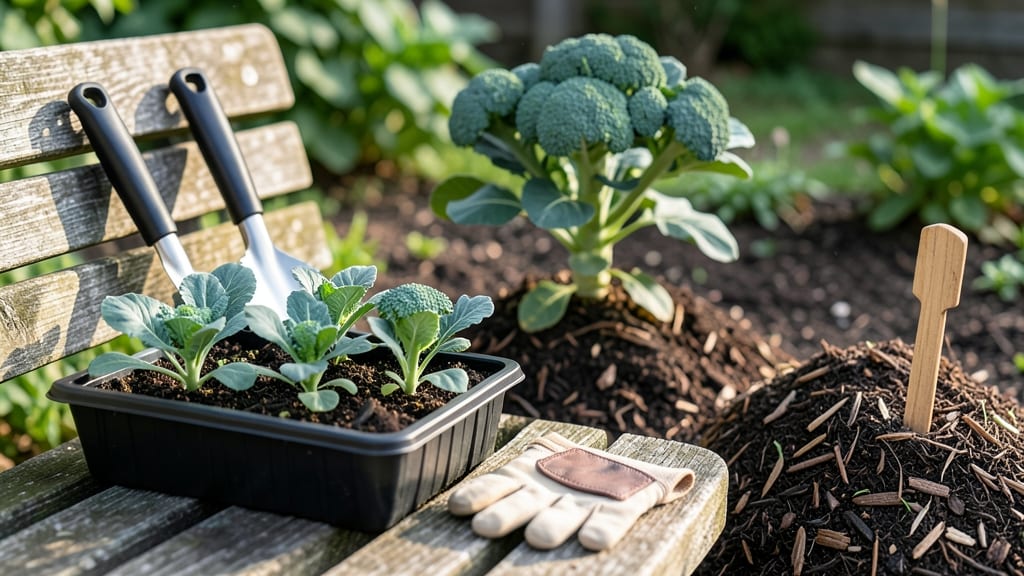
Timing your 🥦 broccoli planting in Seattle isn’t just about the calendar—it’s about beating the Pacific Northwest’s fickle weather. Plant too soon, and a late frost will turn your tender seedlings into sad, wilted memories.
Too late, and summer’s heat sends your broccoli bolting before you even get a chance to harvest. The secret to a thriving garden lies in knowing exactly when to put those seeds in the ground.
Seattle’s Zone 8a climate gives you two prime windows to grow broccoli: spring and fall. But here’s the catch—spring planting starts as early as March, while fall crops can go in until September.
The key? Avoiding those sneaky late frosts that can roll in as late as mid-October. If you nail these windows, you’ll be feasting on homegrown 🥦 broccoli from June through November.
Don’t worry if you’re new to gardening—I’ll walk you through the exact steps to time your planting for success. We’ll cover soil prep, frost dates, and even how to stretch your harvest with succession planting.
By the end, you’ll know precisely when to plant for the most flavorful, abundant broccoli Seattle has to offer.
Ready to grow broccoli that rivals the best farmers’ market finds? Let’s get started with the perfect planting schedule tailored just for Seattle’s climate. Your garden—and your taste buds—will thank you.
Seattle’s broccoli planting calendar: frost dates and optimal windows
Seattle’s Zone 8a climate gives you two prime windows to grow broccoli—spring and fall—but timing is critical. The average last frost date is around March 15, while the first frost typically arrives by October 15.
These dates create a 165-day frost-free growing season, perfect for cool-season crops like broccoli. Planting too early risks frost damage, while waiting too long can lead to bolting (premature flowering) from Seattle’s summer heat.
For spring planting, aim to sow seeds or transplant seedlings 4-6 weeks before your last frost.
That means starting in late February to early March for direct sowing or indoors in January if you’re transplanting. Soil temperature should reach at least 40°F (4°C)—use a soil thermometer to check. In Seattle’s wet springs, well-draining soil is a must to prevent root rot.
Your fall planting window opens in mid-August and closes by early September. This timing ensures broccoli matures before winter frosts. Direct sow seeds in late August for a late-October harvest, or use transplants in early September.
Fall crops benefit from warmer soil but still need protection from late-season rains—raise beds or use row covers if needed.
| Season | Planting Window | Soil Temp | Key Notes |
|---|---|---|---|
| Spring | Late Feb–Early March | 40°F+ (4°C+) | Start indoors 6-8 weeks before last frost |
| Spring | Mid-March–April | 45°F+ (7°C+) | Direct sow after frost risk passes |
| Fall | Mid-August–Early Sept | 50°F+ (10°C+) | Harvest before first frost (Oct 15) |
| Both | N/A | N/A | Use cold-hardy varieties like ‘Waltham 29’ |
Seattle’s microclimates can shift planting windows by 2-3 weeks. Urban areas like Ballard or Fremont may experience earlier last frosts due to heat islands, while rural spots like Snoqualmie often have cooler soils that delay planting.
To adjust, monitor local weather forecasts and use frost cloth for early seedlings. For direct sowing, plant seeds 1/4 inch deep and 12-18 inches apart—broccoli needs space to avoid disease in Seattle’s damp air.
Transplanting is often easier for Seattle gardeners. Buy 6-week-old seedlings from local nurseries (like Seattle Tilth) and harden them off for 3-5 days before planting. Hardening off means gradually exposing seedlings to outdoor conditions—start with 2 hours/day in shade, then increase to full sun.
This toughens young plants so they survive Seattle’s chilly, windy springs.
Don’t overlook soil preparation. Seattle’s acidic soil (pH 5.5-6.5) needs lime or compost to reach the ideal pH 6.0-7.0.
Mix in 2-3 inches of compost and a balanced fertilizer (5-10-10) before planting. Mulch with straw to retain moisture and suppress weeds—Seattle’s wet springs can lead to fungal issues if soil stays soggy.
For container growing, choose 5-gallon pots or larger and use a lightweight potting mix. Containers warm up faster than garden beds, so you can plant <
How to stretch your broccoli season in Seattle: succession planting tips
Seattle’s cool, damp climate means you can grow broccoli for nearly half the year—but only if you use succession planting. This technique lets you stagger plantings every 2-3 weeks, ensuring a steady supply of fresh 🥦 broccoli from late spring through fall.
The trick? Choosing the right cold-hardy varieties and protecting seedlings from late frosts.
Start with early-maturing varieties like ‘De Cicco’ or ‘Waltham 29’—they’ll give you heads in just 50-60 days. Plant your first batch in late February or early March, then follow up every 2 weeks until mid-April.
For fall crops, begin in early August and keep planting until mid-September to beat the first frost.
Here’s my 3-step succession planting timeline for Seattle’s climate:
Plant your first batch of 🥦 broccoli seeds indoors 6-8 weeks before your last frost date (mid-March). Harden off seedlings for 1 week before transplanting outdoors in late February.
Every 2-3 weeks, sow a new batch of seeds or transplant seedlings. This ensures continuous harvests—think of it like a rolling assembly line for broccoli!
Use row covers or lightweight fabric to shield seedlings from late frosts (common until mid-October). Remove covers on warm days to prevent overheating.
For fall plantings, focus on mid-to-late August to give your broccoli enough time to mature before winter sets in. If you’re in a microclimate (like a sheltered urban garden), you might even squeeze in a third planting in early October—just cover seedlings immediately if frost threatens!
Pro tip: Keep a planting journal to track what works best in your specific spot. Note which varieties thrive, how often you need to water, and when pests show up. Over time, you’ll fine-tune your schedule for maximum yields and minimal stress.
With succession planting, you’ll enjoy homegrown 🥦 broccoli for months—no grocery store in sight! Just remember: consistency is key, and protecting your plants from Seattle’s unpredictable weather will make all the difference.