
Plants
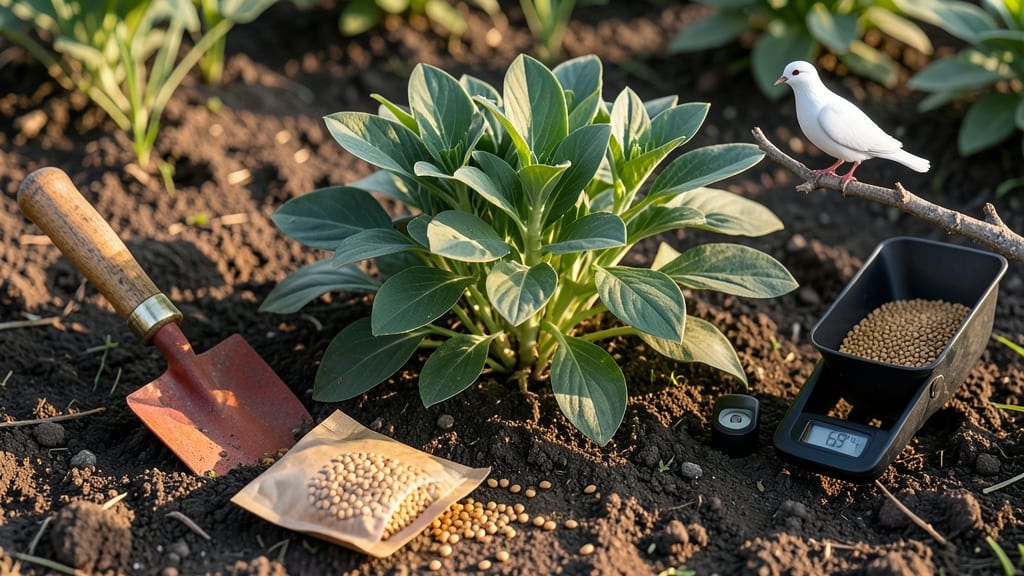
Planting brown top millet 🌾 for doves in Mississippi isn’t just about throwing seeds in the ground—it’s about timing it perfectly to create a dove magnet that lasts all season.
If you want your property to become a hotspot for these graceful birds, you’ll need to act between late April and early June, when soil temperatures hit that sweet spot for germination.
Mississippi’s warm climate and USDA Zone 8a conditions make this the ideal window to get your millet off to a flying start. Too early, and frost can still linger; too late, and you might miss the peak growing season when doves are most active.
I’ve learned the hard way that patience here pays off—waiting for those soil temps to stabilize makes all the difference.
Once planted, this fast-growing grass will reward you with a 60- to 90-day window of dove-friendly forage, just as these birds need it most during late summer and early fall. The key is giving your millet enough time to mature before the first frost sneaks in around November.
Let me show you exactly how to nail those planting dates and keep your feathered visitors coming back.
Beyond timing, we’ll cover soil prep, watering tricks, and even companion plants that’ll make your millet plot irresistible. Whether you’re a seasoned gardener or just starting out, these tips will help you turn your yard into a dove paradise—without the guesswork.
Optimal planting windows for brown top millet in Mississippi’s climate
Mississippi’s warm climate and long growing season create perfect conditions for brown top millet, but timing is critical to ensure your doves have a reliable food source. The ideal planting window spans from late April to early June, aligning with soil temperatures that support germination and rapid growth.
In USDA Zone 8a, like most of Mississippi, brown top millet thrives when planted after the last frost date (March 15), but waiting until soil warms to at least 60°F ensures strong seedling development. This timing also avoids potential spring frost risks that could stunt young plants.
For gardeners in northern Mississippi, aim for April 20–May 10, while those in southern regions can extend planting until early June. This flexibility accounts for microclimate variations and ensures doves have peak foraging opportunities from late summer through fall.
| Planting Stage | Mississippi Timeline | Key Conditions |
|---|---|---|
| Soil Prep | March–April | Soil temp ≥60°F, loamy soil |
| Planting | Late April–Early June | Full sun, 6–8 hrs/day |
| Germination | 7–14 days | Consistent moisture, 75–85°F |
| Mature Growth | 60–90 days | Drought-tolerant, full sun |
| Harvest | Late August–October | Brown seed heads, dry stems |
Mississippi’s humidity and summer heat accelerate growth, so planting early ensures millet reaches maturity before first frost (November 15). A 60–90-day growth cycle means seeds will be ready for doves by late August, just as they prepare for migration.
For extended foraging, consider a second planting in late July, though yields may be smaller due to shorter daylight. This strategy works best in southern MS, where summers are longest and frost arrives later.
Always test your soil pH (6.0–7.0) before planting—brown top millet prefers slightly acidic to neutral soil. Amend with compost or lime if needed, and till the soil to a depth of 6–8 inches for optimal root development.
If you’re planting in containers or small plots, use a well-draining mix with 50% sand to prevent waterlogging. Container-grown millet may need more frequent watering but follows the same planting timeline.
Pro tip: Mark your planting dates on a garden calendar to track progress. Brown top millet grows 3–4 feet tall in its first year, so space seeds 6–12 inches apart for optimal air circulation and dove access.
Mississippi’s warm nights and abundant rainfall during summer create ideal conditions for millet to thrive. With the right timing, your dove population will thank you with frequent visits all season long!
Optimal planting windows for brown top millet in Mississippi’s climate
Mississippi’s warm climate and long growing season make it perfect for cultivating brown top millet as a dove food source, but timing is critical. The ideal planting window spans from late April to early June, aligning with soil temperatures and rainfall patterns that ensure strong germination and vigorous growth.
In USDA Zone 8a, where most of Mississippi falls, brown top millet thrives when planted after the last frost date (March 15) and before summer’s intense heat peaks. This 6-week window gives seeds enough time to establish roots before the dog days of July and August.
| Stage | Action | Notes |
|---|---|---|
| Late April | Soil Prep | Test soil pH (6.0-7.0), add compost |
| Late April - Early May | Planting | Direct sow after last frost, 1/4" deep |
| May - June | Germination | Keep soil moist, expect sprouts in 7-14 days |
| July - August | Growth Peak | Water deeply 1-2x weekly, fertilize lightly |
| September | Harvest | Collect seeds before they shatter |
For gardeners in northern Mississippi (e.g., Tupelo, Oxford), aim for late April to mid-May to avoid late spring frosts. In southern regions (e.g., Gulf Coast, Biloxi), you can extend planting until early June when warmer soil temperatures persist longer.
Mississippi’s humidity levels (70-80%) and frequent summer rains create ideal conditions for millet, but proper drainage is key. Amend heavy clay soils with organic matter like compost or sand to prevent waterlogging, which can stunt growth and deter doves.
Pro tip: Plant in full sun locations (6+ hours daily) and avoid low-lying areas where frost or cold air pools. A slightly elevated bed improves airflow and reduces disease risk, ensuring your millet stands tall for doves to enjoy.
By following these region-specific windows, you’ll maximize your millet’s growth potential and create a reliable food source that attracts doves from late summer through fall.