
Companion Plants
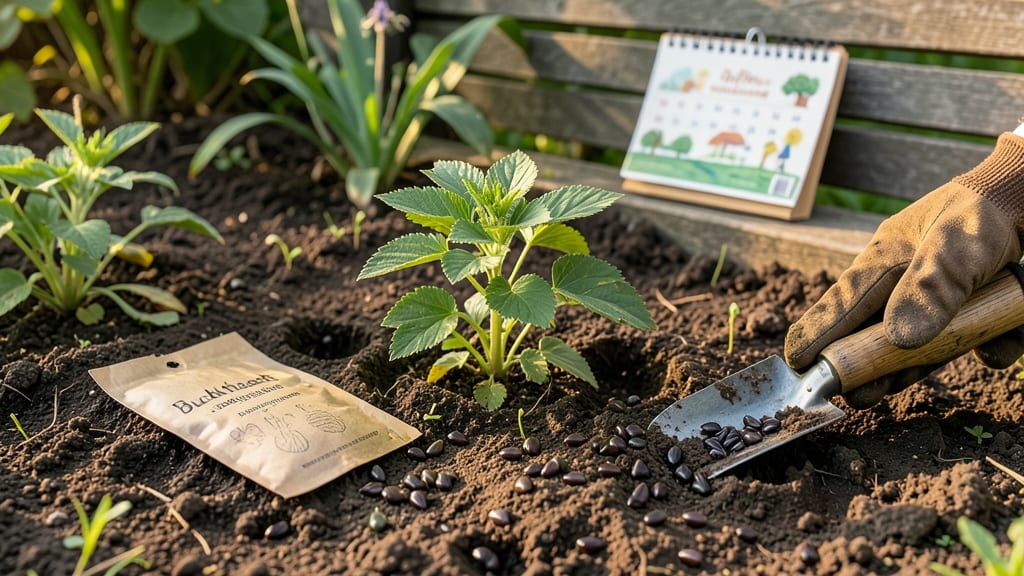
Planting buckwheat at the right time in Pennsylvania can mean the difference between a fast harvest and wasted effort.
This hardy summer crop needs warm soil and frost-free days to thrive, so timing your planting window is the key to success with 🌾 buckwheat that grows in just 60 days.
Whether you're growing it for grain, greens, or as a cover crop, buckwheat in Pennsylvania's USDA Zones 5b-7a needs to go in the ground after the last frost date—typically by late May.
Plant too early, and cool soils will slow germination; too late, and you risk missing the harvest window before fall frosts arrive.
I've found that late spring to early summer (May-June) gives buckwheat the ideal growing conditions it craves—warmth, moisture, and plenty of sunlight. This timing works whether you're in rural fields or urban gardens, though high-altitude areas might need slight adjustments.
Ready to grow your own? I'll walk you through exactly when to plant, how to prepare your soil, and what to watch for to ensure your buckwheat flourishes—so you can enjoy fresh harvests from late summer through fall.
Optimal buckwheat planting dates in Pennsylvania by region
Pennsylvania’s diverse climate means your buckwheat planting dates should align with your specific USDA Zone (5b-7a). In the Southeast, like Philadelphia, you can start as early as mid-April if soil warms quickly, but most gardeners wait until late April to early May to avoid frost.
The Central region, including Harrisburg, typically waits until mid-May when nighttime temperatures stay above 50°F consistently.
For the Northwest, like Erie, buckwheat thrives when planted late May to early June. This delay ensures soil temperatures reach the 60°F minimum buckwheat needs to germinate.
Always check your local last frost date—Pennsylvania’s ranges from April 15 (Southeast) to May 15 (Northwest)—and plant 2-3 weeks after to be safe.
Buckwheat’s 60-day harvest window makes timing critical. Planting too early risks frost damage to young plants, while late planting may cut harvests short before first frost (October 15). Aim for a mid-June to early July planting to ensure a late August to September harvest before cooler weather sets in.
Here’s a quick reference for Pennsylvania’s three key regions:
Use a soil thermometer to confirm temperatures before planting. Buckwheat seeds won’t germinate below 60°F, so rushing can lead to poor germination rates. If your soil is still cold, opt for container gardening near a sunny window or wait until conditions improve.
For urban gardeners in cities like Pittsburgh or Allentown, microclimates can shift planting windows by 1-2 weeks. South-facing walls or rooftop gardens may warm up faster, allowing earlier plantings. Always monitor nighttime temperatures—buckwheat struggles when nights dip below 55°F.
Buckwheat’s fast growth rate (30-60 days to harvest) makes it ideal for succession planting. If you miss the spring window, try a late-summer planting in August for a fall harvest before frost. Just ensure you have 8-10 weeks of warm weather left.
Pro tip: Mix buckwheat with fast-growing radishes or lettuce to stretch your harvest season. The radishes will be ready first, while the buckwheat matures later, giving you dual crops from one bed.
🌾
How to adjust buckwheat planting for Pennsylvania’s microclimates
Pennsylvania’s diverse landscapes—from city rooftops to mountain valleys—create unique growing conditions for buckwheat. Urban gardens often face heat islands with earlier soil warming, while high-altitude areas like the Poconos may need delayed planting to avoid late frosts.
I’ve planted buckwheat in both settings, and these microclimate tweaks make all the difference.
For urban gardens, start seeds indoors by mid-April or sow directly after the last frost (usually late May). Container growing works well, but ensure pots have drainage holes to prevent soggy roots. In cities, buckwheat thrives in compacted soils, so mix in compost before planting to improve aeration.
In high-altitude areas (e.g., USDA Zone 5b), wait until early June when soil temperatures consistently reach 60°F+. These regions often have shorter growing seasons, so choose fast-maturing varieties like ‘Manchurian’ buckwheat, which matures in just 45 days. Mulch heavily to retain heat and moisture.
If you’re growing buckwheat as a cover crop in late summer, plant seeds in August for a fall harvest. This works well in rural fields where soil stays warm longer. Just be prepared to harvest before the first frost—typically by mid-October in most of PA.
Companion planting can also help buckwheat adapt. Pair it with bush beans or lettuce to improve soil nitrogen while shading out weeds. Avoid planting near potatoes, as buckwheat attracts similar pests like aphids.
Soil preparation is key: Test your pH (buckwheat prefers 6.0–7.0) and amend with lime if needed. In sandy soils, add organic matter to retain moisture, while clay soils benefit from gypsum to improve drainage.
For container growing, use at least 12-inch-deep pots and water consistently—buckwheat in containers dries out faster than in-ground plants. Place containers in full sun and rotate them weekly for even growth.
Pro tip: Monitor your local frost forecasts and adjust planting dates accordingly. In years with unpredictable weather, err on the side of planting later rather than risking frost damage to young seedlings.
With these microclimate adjustments, your buckwheat will thrive—whether you’re in Philadelphia’s urban heat or the cooler hills of the Alleghenies.
🌾