
Plants
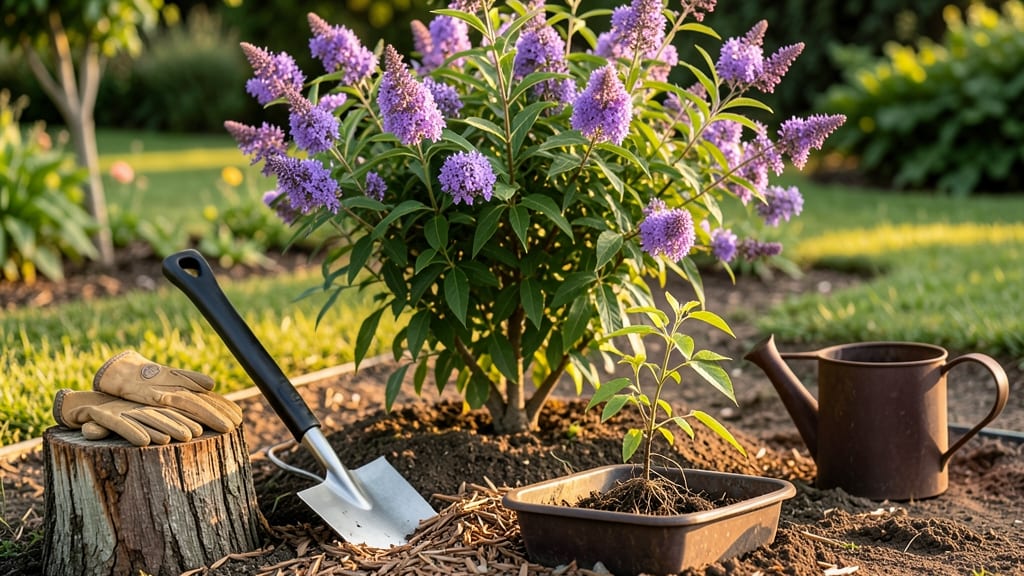
Planting your Butterfly Bush 🦋 at the right time in Zone 7 can make all the difference between a showstopping shrub and one that struggles to take hold.
The key lies in waiting for that perfect window when soil temperatures hit 50-60°F—too early, and frost will set back growth; too late, and summer heat arrives before roots establish.
For most of Zone 7, that ideal timing falls between mid-April and early May, right after the last frost date. But don’t rush—waiting for the soil to warm ensures your butterfly bush gets off to a fast start, with roots spreading aggressively before summer’s peak.
This is especially critical for varieties like 'Purple Haze' that thrive on rapid growth.
Early fall planting (September) also works if you’re in a cooler microclimate, giving roots time to settle before winter. The secret? Plant when daytime highs stay above 60°F but nights cool slightly—this balance triggers root growth without stressing the plant. I’ll show you exactly how to read your local cues.
Once you’ve picked the perfect moment, the next 30 days are critical for setting up success. Proper watering, mulching, and avoiding over-fertilization will help your Butterfly Bush 🦋 establish strong roots before summer’s heat kicks in. Let’s break down the exact steps to ensure your plant thrives from day one.
Optimal planting windows in Zone 7: soil temperature & weather signals
Zone 7’s variable spring weather makes timing critical for butterfly bush (Buddleia) success. Plant too early, and frost can damage tender roots; too late, and summer heat arrives before roots establish.
The ideal window spans April 15 to May 15, aligning with soil temperatures of 50-60°F and consistent daytime warmth above 60°F. This timing ensures rapid root growth before summer’s peak heat.
In Zone 7’s diverse microclimates, last frost dates vary by 2-3 weeks. For example, Richmond, VA typically sees its last frost by April 1, while St. Louis, MO holds off until April 15.
Use a soil thermometer to confirm readiness—roots won’t establish well in cold soil. Wait until the ground stays above 50°F for 5+ days before planting.
Butterfly bushes thrive with 6+ hours of sunlight daily, so prioritize south-facing locations or spots with minimal shade. If planting in urban areas with reflected heat, even west-facing sites work well. Avoid low-lying areas where cold air pools—these spots can delay warming and increase frost risk.
🌱Pro Tip: If your spring is unusually cold, opt for container planting to delay ground exposure. Containers warm faster and let you move plants to sheltered spots if frost threatens.
📅 Zone 7 Planting Window Comparison
| Factor | Early Spring (March-April) | Late Spring (May) | Early Fall (September) |
|---|---|---|---|
| Soil Temp | 45-55°F (Risky) | 55-65°F (Ideal) | 60-70°F (Good) |
| Frost Risk | High | Low | Moderate |
| Root Growth | Slow | Rapid | Moderate |
| Best For | Containers (Flexible) | Ground Planting | Established Roots |
⚠️ Warning: Fall planting must occur 6-8 weeks before first frost (typically by September 15 in Zone 7) to allow root hardening before winter.
For Zone 7 gardeners, early May is the sweet spot—soil is warm, frost risk is minimal, and summer’s heat hasn’t yet arrived. If you miss this window, early September offers a second chance, provided you plant 6+ weeks before frost to let roots establish before dormancy.
Always acclimate container-grown plants for 1-2 weeks before transplanting to reduce shock.
🌡️Key Signal: Watch for daytime highs consistently above 65°F and nighttime lows above 50°F. These conditions trigger active root growth and reduce transplant stress. Use a planting calendar or local Cooperative Extension Service for hyper-local frost data.
Butterfly bushes in Zone 7’s humid summers need well-draining soil to prevent root rot. Amend heavy clay with compost or sand to improve aeration. If your soil drains poorly, consider raised beds or mounded planting to elevate roots above waterlogged zones.
💧Watering Insight: After planting, deep water every 2-3 days for the first 2 weeks to encourage root spread. Once established, reduce to weekly deep soakings—butterfly bushes are drought-tolerant once roots are deep, making them low-maintenance once planted correctly.
In Zone 7’s transitional seasons, late May plantings can still work if you mulch heavily (3-4 inches) to retain moisture and shade young plants from intense afternoon sun. However, June plantings often struggle with transplant shock during summer’s heat—prioritize spring or early fall for best results.
Optimal planting windows in Zone 7: soil temperature & weather signals
Zone 7’s variable spring weather makes timing critical for butterfly bush success. Plant too early, and frost can damage tender roots; too late, and summer heat arrives before roots establish. Aim for when soil temperatures hit 50–60°F—a sign roots will activate quickly.
In most of Zone 7, this window falls between mid-April and early May, after the average last frost date (around April 15). However, microclimates like mountain valleys or urban heat islands may shift this by 1–2 weeks—always check your local frost data.
| Factor | Spring Planting | Early Fall Planting |
|---|---|---|
| Soil Temp | 50–60°F | 60–70°F |
| Last Frost | After April 15 | Before October 1 |
| Root Growth | 6–8 weeks | 4–6 weeks |
| Best For | Full summer bloom | Established roots before winter |
For spring planting, watch for daytime highs consistently above 60°F—this signals active root growth. In early fall, plant 6–8 weeks before the first frost (typically by September 15) to let roots harden before winter. Both windows avoid the heat stress of summer planting.
Zone 7’s northern edge (e.g., Pittsburgh, PA) may need to wait until late May due to slower soil warming, while southern areas like Atlanta, GA can plant as early as mid-March. Use a soil thermometer to confirm readiness—roots won’t thrive below 50°F.
Pro tip: If planting in containers, extend your window by 2–3 weeks. Pots warm faster in spring and can be moved to sheltered spots if frost threatens. Just ensure drainage holes prevent waterlogged roots, which stunt growth.
Remember, butterfly bush flowers on new wood, so planting in spring gives stems time to mature before summer’s pollinator frenzy. Fall plantings may bloom later the following year but establish stronger root systems for long-term vigor.