
Plants
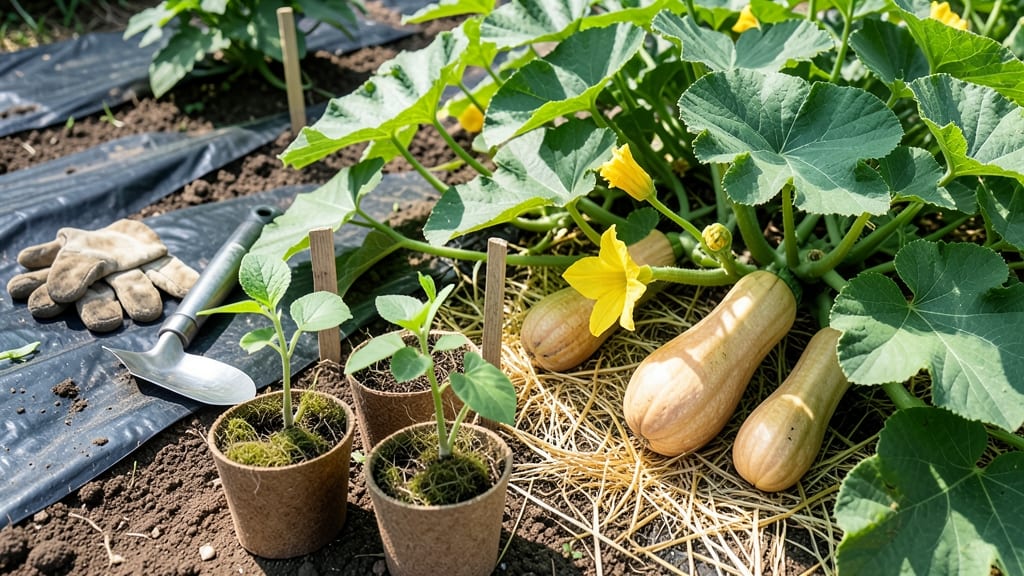
Planting butternut squash 🎃 in Florida isn’t just about dropping seeds in the dirt—it’s about timing them right to dodge those sneaky early frosts or sweltering heat waves that can sabotage your harvest. If you’ve ever watched your squash vines wilt before producing a single fruit, you’re not alone.
The key lies in those two perfect windows: early spring and late summer, when soil temperatures finally cooperate.
Most Florida gardeners know the basics—warm soil and steady temperatures—but the real game-changer is knowing when to start seeds indoors or transplant seedlings for maximum success. Skip this step, and you might end up with stunted plants or a harvest that arrives too late to enjoy.
Let me walk you through the exact planting schedule tailored to your region, plus the common mistakes that turn promising starts into disappointing flops.
Whether you’re a first-time grower or a seasoned gardener, getting this right means fewer wasted seeds and more homegrown 🎃 goodness on your table. By the end, you’ll know not just when to plant, but how to set your squash up for a bountiful season—no guesswork required.
Ready to turn your Florida garden into a butternut squash powerhouse? Let’s dive into the timing secrets that’ll have your plants thriving while others struggle.
Best planting windows for butternut squash in Florida’s climate zones
Florida’s warm climate lets you grow butternut squash almost year-round, but timing still matters. Unlike northern states, you won’t face harsh winters—but late frosts in North Florida (like January’s rare cold snaps) can still damage young plants.
The key is planting when soil temperatures hit 70°F+ and frost risk fades. Here’s your region-by-region guide to avoid common mistakes and maximize harvests.
Butternut squash thrives in Florida’s USDA Zones 9a-11, but even here, North Florida’s cooler pockets (like Jacksonville or Gainesville) need earlier starts than South Florida’s Miami or Key West.
The general rule: Plant after your last frost date (usually mid-January for North Florida, but rarely a concern in South Florida). For most gardeners, that means March-May for spring crops and August-September for fall crops.
Soil temperature is more critical than air temperature. Use a soil thermometer to confirm 70°F+ before planting. In North Florida, this often aligns with late March to early April.
In Central Florida (Orlando, Tampa), you can start as early as mid-February. South Florida gardeners (Miami, Fort Lauderdale) can plant year-round, but summer’s intense heat may stress plants—opt for fall planting in September for ideal conditions.
For transplanting seedlings, start them indoors 2-3 weeks before your target outdoor date. This gives them a head start and helps avoid transplant shock when moving to the garden. Harden off seedlings by gradually exposing them to outdoor conditions for 7-10 days before transplanting.
Choose fast-maturing varieties (like ‘Waltham Butternut’) if you’re in North Florida’s shorter growing season.
Direct sowing is also an option, but it requires warmer soil. Wait until mid-April in North Florida or early March in South Florida to sow seeds directly.
Space seeds 1 inch apart and thin to 2-3 feet apart once seedlings emerge. This spacing gives vines room to sprawl and reduces disease risks from overcrowding.
If you’re in North Florida, consider succession planting every 2-3 weeks from March to May to stagger harvests. This ensures you’re not overwhelmed with ripe squash all at once.
For fall crops, aim to plant by mid-August to harvest before December’s first frost risk (though South Florida rarely sees frost).
One of the biggest mistakes Florida gardeners make is planting too early in North Florida without protecting seedlings. Even a light frost (below 32°F) can kill young butternut squash. If you’re eager to start early, use black plastic mulch or row covers to warm the soil and protect tender plants.
Remove covers once plants are established (4-6 weeks after germination).
For container gardening, choose large pots (15+ gallons) to accommodate sprawling vines. Plant in well-draining potting mix and place containers in full sun. In South Florida’s intense summer heat, provide afternoon shade to prevent vines from wilting.
Containers also let you move plants to cooler microclimates if needed.
Pro tip: Test your soil pH before planting—butternut squash prefers 6.0-7.0. Florida’s sandy soils often need amendments like compost or peat moss to retain moisture and nutrients.
Mix in 2-3 inches of compost at planting time to give vines a nutrient boost. Avoid fresh manure, which can burn young roots.
Finally, keep an eye on local weather forecasts for unexpected cold snaps, even in South Florida. While rare, microclimates near water bodies can experience temporary dips below 40°F. If frost is forecasted, cover plants with frost cloth
Critical mistakes that ruin butternut squash harvests in Florida
Even with Florida’s frost-free growing season, butternut squash can fail spectacularly if you ignore these common mistakes. The biggest? Planting too early in North Florida where late frosts still sneak in, or skipping soil prep entirely.
I’ve seen gardens full of wilted vines because the grower didn’t account for pH levels or spacing needs.
Another silent killer is overcrowding. Butternut squash vines spread 3-5 feet, and squeezing plants too close leads to disease pressure and stunted fruit. I once had a 50% harvest loss because I packed seedlings too tightly—don’t make that mistake!
Here’s the visual breakdown of what to watch for:
| Mistake | Why It Fails | Fix It Now |
|---|---|---|
| Planting too early in North Florida | Late frosts (January-March) damage tender seedlings | Wait until soil hits 70°F+ (use a soil thermometer) |
| Ignoring soil pH (below 6.0) | Nutrient uptake fails, leading to yellow leaves and poor growth | Test soil—aim for 6.0-6.8 pH; amend with lime if needed |
| Overcrowding (plants <3 ft apart) | Increases fungal diseases and steals nutrients | Space 3-5 feet apart; use trellises if needed |
| Skipping mulch in summer | Soil dries out, stressing plants during 90°F+ heat | Apply 3-4 inches of straw mulch to retain moisture |
One mistake I see every year is assuming all Florida soil is the same. Central Florida’s sandy loam drains too fast, while South Florida’s clay holds too much moisture. Always amend with compost before planting—even if your soil looks "fine."
Pro tip: If your squash leaves develop yellow veins, it’s often a magnesium deficiency. A quick fix is Epsom salt spray (1 tbsp/gallon of water) every 2 weeks. I’ve revived multiple gardens this way!
Finally, never harvest too late. Butternut squash rots on the vine in Florida’s humid summers. Wait until the skin turns dull tan and the stem hardens—then pick it fast. Leaving squash past this point means moldy pulp and wasted effort.