
Plants
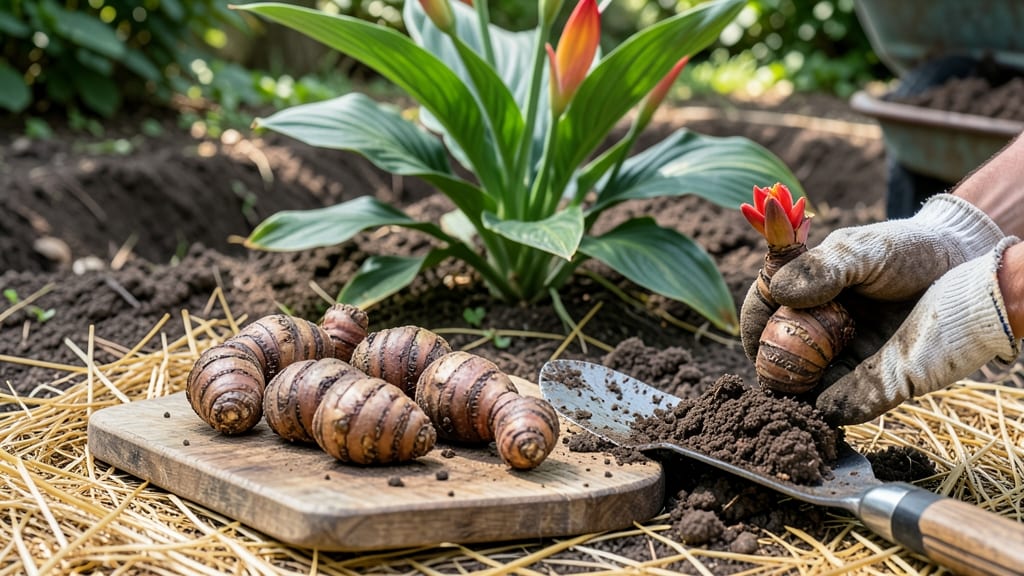
Best planting timeline for canna bulbs in Wisconsin’s climate zones
Wisconsin’s USDA Zones 4b-5b mean canna bulbs need precise timing—plant too early, and frost will kill tender shoots. Too late, and you’ll miss the bold summer blooms these tropical beauties deliver.
The key is waiting until the soil warms to 60°F and all frost risk has passed, typically mid-to-late May in most of the state.
Southern Wisconsin (Zones 5a-5b) can start as early as late April, while northern regions (Zone 4b) should wait until early June. Use a soil thermometer to confirm readiness—cannas won’t thrive in cold soil.
This timing ensures robust growth before Wisconsin’s first frost (early October), giving you 150+ frost-free days to enjoy their vibrant foliage and flowers.
🌱 Pro Tip: Check your local Wisconsin State Climatology Office for your area’s last frost date. Urban areas like Milwaukee often warm faster than rural spots, so adjust accordingly.
| Zone | Planting Window | Soil Temp | Frost Risk | Bloom Time |
|---|---|---|---|---|
| Southern WI (5a-5b) | Late April–May 15 | 60°F+ | Low after May 15 | June–September |
| Central WI (5b) | May 1–May 20 | 60°F+ | Moderate until June | July–September |
| Northern WI (4b) | May 20–June 1 | 60°F+ | High until June 10 | July–August |
| Urban Heat Islands (e.g., Milwaukee) | April 20–May 10 | 58°F+ (earlier warm-up) | Low after May 1 | June–September |
🌡️ Key: Soil temperature is critical—cannas won’t sprout below 60°F.
For container gardening, you can push the timeline slightly earlier by using black plastic pots or heat mats to warm the soil. This is especially useful in Zone 4b areas where the growing season is shorter.
Just ensure containers have drainage holes to prevent waterlogged roots, which canna bulbs hate.
If you’re in doubt about frost risk, opt for staggered planting: plant a few bulbs in early May and others in late May.
This way, even if early ones get nipped by a late frost, you’ll still have healthy plants emerging later. Canna bulbs are hardy once established, so a little delay won’t kill them—just give them time to root deeply before Wisconsin’s heat arrives.
Don’t forget to mulch heavily after planting (2–3 inches of straw or shredded leaves). This helps retain soil warmth and moisture, which is crucial in Wisconsin’s clay-heavy soils that dry out quickly. Mulching also suppresses weeds, giving your cannas a competitive edge.
One common mistake Wisconsin gardeners make is planting canna bulbs too deep. These tropical plants prefer to be shallowly planted—only 2–3 inches deep—with the top of the bulb just below the soil surface.
Deeper planting can lead to rot, especially in Wisconsin’s damp springs. Use your finger to gauge depth: the bulb should sit at the same level it did in its original container.
If you’re growing cannas in pots or raised beds, you can extend the season by 1–2 weeks on either end. Containers warm up faster in spring and retain heat longer in fall.
Just move pots to a sunny, sheltered spot before the first frost, and cover them with frost cloth if temperatures dip below 32°F.
For those in northern Wisconsin (Zone 4b), consider starting canna bulbs indoors in late March. Place them in a sunny window or under grow lights until soil temperatures outside reach 60°F.
This head start can add 2–3 weeks to your growing season, ensuring you get those showstopping blooms before frost.
Finally, mark your calendar for October 1—Wisconsin’s average first frost date. This is when you’ll need to dig up and store your canna bulbs if you’re not in a microclimate with later frosts.
Cut back the foliage, cure the tubers in a dry, shady spot for 2 weeks, then store them in peat moss or vermiculite in a cool, dark place until next spring.
Best planting timeline for canna bulbs in Wisconsin’s climate zones
Wisconsin’s USDA Zones 4b-5b mean canna bulbs need precise timing to flourish. Unlike tropical plants, they’re not frost-tolerant, so waiting for soil temperatures of 60°F+ is critical.
Most of Wisconsin’s last frost date falls around May 15, but southern regions (like Milwaukee) may warm earlier, while northern areas (like Duluth) could wait until June.
Planting too soon in cool Wisconsin soil stunts growth, while delaying past mid-June risks missing peak summer blooms. Aim for late May to early June in most areas, adjusting based on your microclimate.
Urban heat islands in cities like Madison can warm faster, while rural areas may need to wait longer.
Here’s how Wisconsin’s regions compare for optimal canna bulb planting windows:
Use a soil thermometer to confirm readiness—cannas won’t thrive in chilly Wisconsin soil. For container gardeners, you can plant 2-4 weeks earlier since pots warm faster. Just ensure your containers have drainage holes to prevent root rot in Wisconsin’s humid summers.
If you’re in Zone 4b (northern WI), consider starting bulbs indoors under grow lights 6-8 weeks before your last frost date. This gives you a 2-week head start on the growing season. Harden off seedlings for 10-14 days before transplanting outdoors after May 30.
Pro tip: Mark your calendar for October 1, Wisconsin’s average first frost date. This is when you’ll need to dig up and store canna rhizomes before temperatures drop below 50°F. Cut back foliage but leave 2 inches of stem to help identify tubers later.
For continuous blooms, stagger planting by 2-3 weeks. This ensures some cannas are in full bloom while others are just getting started, extending your summer display until frost.