
Plants
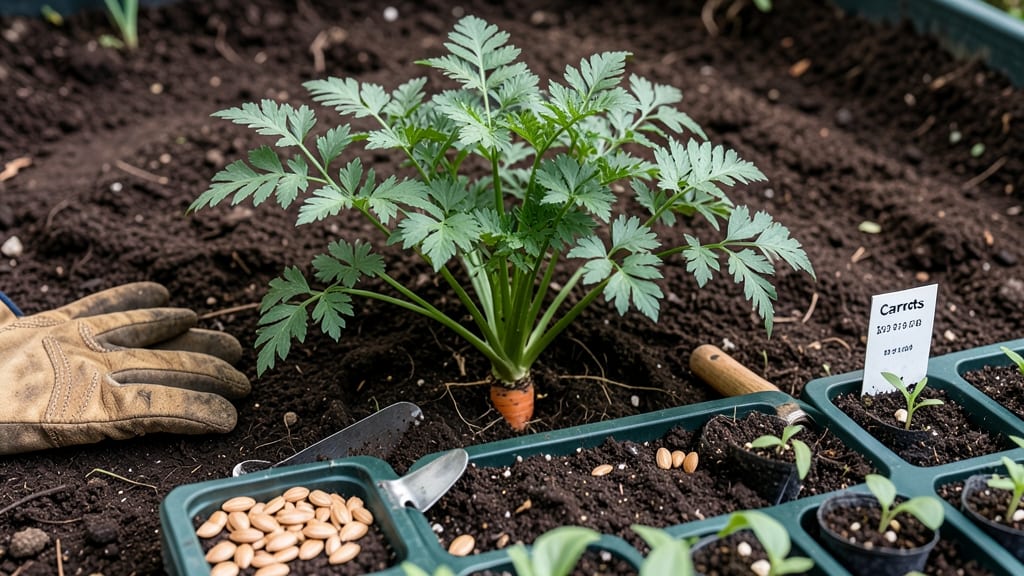
Planting carrots in Georgia at the wrong time can mean the difference between a sweet, crisp harvest and a bitter disappointment—especially when summer heat turns those roots woody before they even mature.
Whether you're in the Piedmont hills or the coastal plains, timing your 🥕 seeds right is the key to avoiding frost damage in spring or bolting in fall.
I’ve grown carrots in Georgia’s 7b-8b zones for years, and the secret isn’t just about the calendar—it’s about understanding your microclimate. From the last frost in mid-March to the first chill in November, there’s a narrow window where soil stays cool enough for tender roots.
But don’t worry: with the right strategies, you can stretch that window into multiple harvests.
In this guide, I’ll break down the exact months to plant for your region—whether you’re in Atlanta’s cooler valleys or Savannah’s humid lowlands—and share my top tips for succession planting.
You’ll learn how to beat heat stress, extend your growing season, and even trick your garden into producing sweet carrots year-round.
Ready to dig into the details? Let’s get those seeds in the ground at the perfect moment so you can enjoy homegrown 🥕 from spring through fall without the guesswork.
Georgia carrot planting calendar: best months by region
Georgia’s diverse climate means carrot planting times vary by region—from the cooler North Georgia mountains to the humid South Georgia coast. Getting the timing right ensures your carrots grow sweet and crisp instead of woody or frost-damaged.
Let’s break down the ideal frost-free windows for each zone so you can plan your harvests like a pro.
In North Georgia (Atlanta area, Zone 7b), the last frost typically arrives around mid-March, giving you a 4-6 week head start for spring planting. Meanwhile, Central Georgia (Macon, Zone 8a) enjoys a slightly longer growing season, with frost-free dates stretching into late February.
Down south in Savannah (Zone 8b), you can plant as early as late January—but watch for unpredictable cold snaps.
For fall planting, aim for late July to early August across all regions. This gives carrots time to mature before the first frost hits in mid-November. The key is soil temperature: carrots thrive when soil reaches 50°F (10°C)—use a soil thermometer to check before sowing.
If you’re in Zone 7b (North GA), start seeds indoors in January for an early transplant. For Zones 8a-8b, direct sow outdoors once soil warms to 50°F (10°C). Pro tip: Use black plastic mulch to warm soil faster in cooler regions like Atlanta.
For fall harvests, prioritize short-season varieties like ‘Early Nantes’ or ‘Paris Market’—they mature in 50-60 days, perfect for Georgia’s shorter fall window. In South GA, you might even squeeze in a third harvest by planting in September for a winter crop.
Always check your local USDA Plant Hardiness Zone for precise frost dates—Georgia’s microclimates can vary by just a few miles! For example, Blue Ridge Mountains areas may need to wait until April for safe planting, while coastal Savannah can start earlier.
Remember: Carrots hate heat. If planting in late spring, provide afternoon shade with shade cloth (30-50%) to prevent bolting. And never plant where potatoes or tomatoes grew last year—carrots are susceptible to the same pests.
Now that you’ve got your planting windows locked in, let’s talk about succession planting to keep your kitchen stocked with fresh carrots all year. The secret? Staggered sowings every 2-3 weeks for continuous harvests—we’ll cover that in the next section!
How to extend carrot season in Georgia: succession planting tips
Georgia’s long growing season lets you harvest carrots twice—or even three times—per year if you plan ahead. The key is succession planting, which means staggering your plantings to keep fresh roots coming all season long.
I’ve grown carrots in North Georgia’s cooler climate and South Georgia’s heat, and this method works in both regions.
Start with your first planting in late February for a spring harvest in May-June. Then, as soon as you pull those carrots, prepare the same bed for your next batch. This continuous harvest strategy keeps your garden productive and your table stocked with crisp, sweet roots.
🌱 Succession Planting Timeline for Georgia Carrots
- Late February: First planting for spring harvest (May-June)
- Early April: Second planting for summer harvest (July-August)
- Late July: Third planting for fall harvest (October-November)
💡 Pro Tip: Use shade cloth in summer months to protect seedlings from heat stress.
For North Georgia gardeners, focus on spring and fall plantings. The Piedmont region around Atlanta has cooler summers, making it easier to grow carrots in late summer if you provide afternoon shade.
In South Georgia, where summers are hotter, stick to early spring and fall plantings and choose heat-tolerant varieties like ‘Danvers Half Long’.
Don’t forget to rotate crops to prevent soil-borne diseases. Carrots are heavy feeders, so enrich your soil with compost before each planting. I mix in a 2-inch layer of compost and work it into the top 6 inches of soil.
This keeps the soil loose, which is critical for preventing forked or stunted roots.
If you’re short on space, try container growing. Deep pots (at least 12 inches deep) work well for carrots, and you can still succession plant every 3-4 weeks. Just be sure to use a lightweight potting mix to avoid compacted soil, which can deform your roots.
Finally, keep an eye on pests like carrot rust flies and aphids. In Georgia’s humid climate, these pests thrive in summer. I cover young seedlings with row fabric until they’re established, then switch to neem oil sprays if needed.
With these tips, you’ll enjoy homegrown carrots from spring through fall!