
Plants
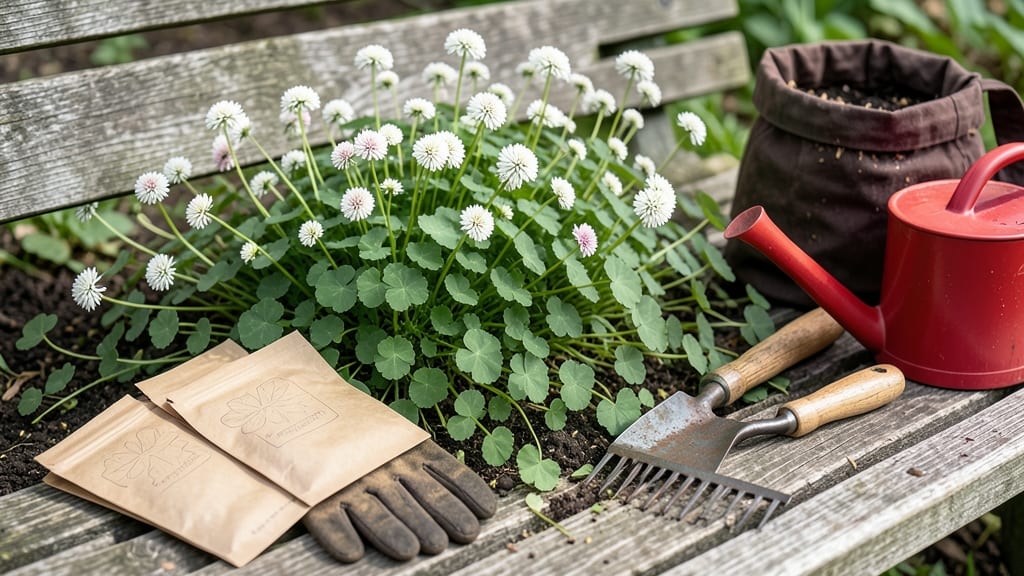
Planting clover in Indiana at the wrong time can leave you with patchy lawns or wasted seeds—soil temperatures and frost dates are the real game-changers. The 6a zone gives you two prime windows: early spring when the ground warms or early fall before the first frost hits.
I’ve tested both methods, and timing isn’t just about the calendar—it’s about understanding when your soil is ready to cooperate.
Most gardeners in Indiana rush to plant too early, only to watch their seeds rot in cold, damp soil. The key is waiting until the ground reaches 50°F or warmer, usually around mid-March to early April for spring plantings.
For fall, aim for September—before the first frost on October 15—to give your clover time to establish roots before winter sets in.
You’ll also want to adjust for your specific microclimate. Urban areas might stay warmer longer, while rural spots can freeze earlier. I’ll walk you through how to check soil temps, calculate safe planting windows, and even tweak your schedule based on rainfall patterns.
No more guessing—just a foolproof plan for lush, nitrogen-rich clover that thrives in Indiana’s climate.
Ready to transform your lawn? Let’s break down the exact steps, from soil prep to post-planting care, so you can enjoy a thriving clover patch year-round. Whether you’re fixing bare spots or growing it as a cover crop, this guide has you covered.
Best planting months for clover in Indiana based on soil temperature
Indiana gardeners know that soil temperature is the #1 factor for successful clover germination. Unlike cool-season grasses, clover thrives when soil reaches 50°F or warmer, which typically happens in late March to early April across most of the state.
This window aligns perfectly with Indiana’s USDA Zones 5b–6a, where spring warmth arrives gradually.
For spring planting, aim for March 15–April 15 in southern Indiana (e.g., Evansville) and April 1–April 30 in northern regions (e.g., South Bend). Soil thermometers are your best tool—insert one 2 inches deep to confirm readiness. If temperatures dip below 50°F at night, delay planting until consistency improves.
Fall planting offers a second chance, with September 15–October 15 being ideal. Clover seeds need 4–6 weeks of warm soil before the first frost to establish roots. In northern Indiana, this often means planting by September 15, while southern areas can extend until early October.
The key is avoiding late fall frosts, which can kill young seedlings.
Here’s how Indiana’s microclimates affect timing:
- Southern Indiana (Zones 6a–6b): Plant 2–3 weeks earlier than northern areas due to warmer soils.
- Northern Indiana (Zones 5b–6a): Wait until after April 15 to avoid late frosts.
- Urban areas: Concrete and pavement can delay soil warming by 1–2 weeks—monitor closely.
| Planting Window | Soil Temp Requirement | Indiana Region | Key Consideration |
|---|---|---|---|
| March 15–April 15 | 50°F+ (consistent) | Southern Indiana | Warmer soils germinate faster |
| April 1–April 30 | 50°F+ (consistent) | Northern Indiana | Avoid late spring frosts |
| September 15–October 15 | 55°F+ (daytime) | Statewide | Establish roots before frost |
Pro tip: White clover germinates faster than red clover in cool soils, making it the better choice for early spring plantings. If you’re seeding in late April, opt for red clover—it handles slightly cooler soils better and blooms earlier, providing nitrogen benefits sooner for companion plants.
For cover crop mixes, combine clover with annual ryegrass in fall or buckwheat in summer to extend your planting window. These pairings create a living mulch that suppresses weeds while improving soil structure.
Just ensure the clover has 6+ hours of sun daily—shady spots will delay germination by 1–2 weeks.
One common mistake? Planting too early when soils are still damp and cold. Wet seeds rot before germinating. Always check for moisture content—stick your finger 2 inches deep; if it feels like a wrung-out sponge, wait 3–5 days before sowing. Patience here saves 50% of seed waste.
Finally, oversowing is a game-changer for Indiana’s unpredictable springs. Plant 10–15% extra seed in case of bird predation or poor germination. Thin seedlings to 10–12 plants per sqft once they’re 2–3 inches tall—this ensures even coverage and reduces competition for nutrients.
🌱
Indiana frost-free deadlines and how they affect clover success
Understanding Indiana's frost-free deadlines is the secret to planting clover at the perfect time. In most of the state, the last spring frost typically occurs between April 15 and May 1, while the first fall frost arrives around October 15 to November 1.
These dates create your planting window, but they vary slightly depending on whether you're in Northern Indiana (Zone 5) or Southern Indiana (Zone 6).
In colder northern regions, you may need to wait until mid-May to avoid late frosts, while southern areas can start as early as late March. Timing matters because clover seeds need consistent soil warmth (50°F+) to germinate, and frost can kill young seedlings.
For spring planting, aim to sow clover seeds 4–6 weeks after your last frost date. This gives the soil time to warm up and reduces the risk of frost damage.
If you're planting in early spring (March–April), use a lightweight row cover to protect seedlings from unexpected late frosts. In contrast, fall planting (September–October) should happen 6–8 weeks before the first frost to allow roots to establish before winter dormancy.
Fall-planted clover often thrives better because it avoids summer heat stress and establishes a strong root system early.
Microclimates can shift these deadlines by 1–2 weeks, especially in urban areas where heat islands delay frost or in low-lying spots where cold air settles. To adjust, check your local Cooperative Extension Service for hyper-local frost data or use a frost calendar app.
For example, areas near lakes (like Lake Michigan) may experience later frosts due to water's heat-retaining properties, while inland regions might freeze earlier. If you're unsure, err on the side of planting later—clover is resilient and can often recover from mild frost once established.
Another critical factor is overwintering success. If you plant clover in late summer (August), it may not have enough time to establish before frost, leading to winterkill. Instead, focus on early fall planting (September) to give roots time to grow before dormancy.
In Northern Indiana, where winters are harsher, consider using winter-hardy varieties like Dutch white clover, which can tolerate colder temperatures and snow cover better than other types. Always monitor your local 10-day weather forecast before planting to avoid surprises.
Pro tip: Use biodegradable mulch (like straw) after planting to insulate seeds from temperature swings. This is especially helpful in early spring or late fall when soil temperatures fluctuate wildly. Mulch also retains moisture, which is crucial for clover germination.
Pair this with a light irrigation schedule (watering every 2–3 days until seeds sprout) to keep the soil consistently moist but not waterlogged. With the right timing and a little protection, your clover will thrive even in Indiana’s unpredictable climate.
Don’t let frost dates stress you out—think of them as guidelines, not rules. Clover is adaptable, and with the right adjustments, you can enjoy a nitrogen-rich lawn or cover crop year after year.
Start with your region’s frost dates, then tweak based on microclimates and soil conditions. Soon, you’ll have a lush, low-maintenance green space that outshines even the most perfectly timed lawns. 🌱