
Plants
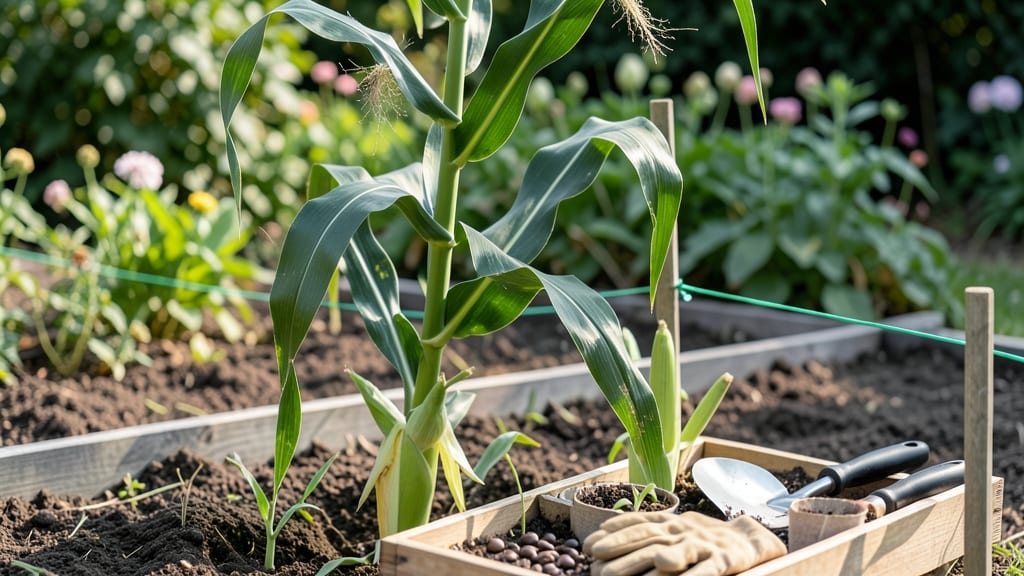
Planting corn in Connecticut at the wrong time can turn your garden dreams into a sad, stunted harvest—no one wants to watch their 🌽 struggle through a late spring.
The key to fast, healthy growth lies in waiting for that perfect soil temperature window, which in Zone 6a typically means mid-April to mid-May after the last frost.
But here's the catch: Connecticut's weather is famously unpredictable, and rushing your planting can leave your corn vulnerable to frost or slow to mature. I'll show you exactly how to time it right, including soil temperature tricks and regional adjustments to maximize your yield before summer heat sets in.
Whether you're growing sweet corn for the dinner table or field corn for storage, getting the timing down is the most important step.
We'll cover everything from testing soil warmth to choosing the right varieties for your specific corner of the state—so you can enjoy that first ear of corn by July.
Ready to turn your garden into a corn patch that rivals the best farms in New England? Let's get started with the strategies that actually work in Connecticut's climate.
Optimal soil temperature ranges for planting corn in Connecticut
Corn thrives when planted in warm soil, but Connecticut’s cool springs can delay germination if you’re not careful. The magic number for corn seeds is 50-60°F—this range triggers fast, even sprouting.
Below 50°F, seeds may rot in the ground, while above 60°F, they’ll germinate too quickly, risking weak seedlings.
Testing your soil temperature is easier than you think. Use a soil thermometer (available at garden centers for under $10) to check depths of 1-2 inches, where corn seeds are planted.
In Connecticut, soil temps typically hit 50°F by mid-April in southern regions but may linger until late April or early May in northern areas like Litchfield County.
Direct sowing is the preferred method for corn in Connecticut because seedlings hate transplanting. Start seeds outdoors only when soil temps consistently stay above 55°F for at least 5 days. For a head start, you can pre-sprout seeds indoors (on paper towels) 2-3 days before planting, but transplant carefully to avoid root damage.
If your soil is still too cold, consider black plastic mulch or row covers to warm it faster. These methods can add 2-4°F to soil temps and jumpstart germination by 1-2 weeks. Just remove covers once plants emerge to prevent overheating.
Corn varieties also play a role. Early-maturing varieties like 'Early Sunglow' (60 days to harvest) tolerate cooler soils better than late-season varieties like 'Golden Bantam' (85 days). For Connecticut’s short growing season, prioritize varieties that mature in 75-90 days to avoid frost damage.
Pro tip: Plant corn in blocks, not rows, to ensure cross-pollination. Space seeds 1 inch deep and 4-6 inches apart, with rows 3 feet apart. This spacing gives plants room to grow while maximizing ear production.
| Stage | Soil Temp (°F) | Action | Connecticut Timing |
|---|---|---|---|
| Germination | 50-60°F | Plant seeds | Mid-April (south) to early May (north) |
| Seedling | 60-70°F | Thin to 12" apart | Late April - mid-May |
| Tasseling | 70-80°F | Side-dress with fertilizer | June |
| Harvest | N/A | Pick when silks brown | July - September |
For gardeners in USDA Zone 5 (northern CT), aim for May 1 planting to avoid frost. In Zone 6-7 (southern CT), you can plant as early as April 15 if soil temps are ideal.
Always check the CT Agricultural Experiment Station’s frost data for real-time updates, as microclimates can shift planting windows by weeks.
If you’re still unsure, use the "hand test": Press your palm into the soil. If it feels warm (like a hot cup of tea), it’s ready.
If it’s cool (like room temperature), wait a few more days. This simple trick saves time and ensures your corn gets off to a strong start.
Remember, corn is a heavy feeder, so enrich your soil with compost or aged manure before planting. Aim for a soil pH of 6.0-7.0, which is ideal for nutrient uptake. Test your soil in fall or early spring to give yourself time to amend if needed.
Once your corn is in the ground, consistent moisture is key. Water deeply 2-3 times per week (1-2 inches total) to prevent drought stress, especially during tasseling and ear formation—the most critical growth stages.
Optimal soil temperature ranges for planting corn in Connecticut
Corn seeds need consistent warmth to germinate quickly in Connecticut’s cool springs. The ideal soil temperature for planting is between 50°F and 60°F, with 60°F+ ensuring faster germination. Cooler soils (50°F) may delay sprouting by 1-2 weeks, risking slower growth when summer heat arrives.
Use a soil thermometer to check temperatures at 4-inch depth, where roots will develop. Morning readings are most accurate—avoid midday spikes that can mislead you.
In western Connecticut (e.g., Fairfield County), soils warm faster due to urban heat islands, while northern regions (Litchfield County) may lag 7-10 days behind.
| Stage | Soil Temp (°F) | Action | CT Region Notes |
|---|---|---|---|
| Germination | 50–60°F | Plant seeds 1" deep | Fairfield: 1 week earlier than Hartford |
| Sprouting | 60–70°F | Keep soil moist | Litchfield: Wait until 65°F+ |
| Vegetative Growth | 70–85°F | Water deeply 2x/week | All regions: Mulch to retain heat |
Direct sowing is best for Connecticut corn—transplants struggle with root shock in cool soils. If you’re starting indoors, wait until soil temps hit 60°F before transplanting seedlings. Use black plastic mulch to warm soils 5–10°F faster in early spring, especially in USDA Zone 5b areas like Torrington.
Watch for false springs—a warm spell followed by frost can stall corn growth. Plant cold-tolerant varieties like 'Early Sunglow' (maturity: 65 days) if your area has late frosts. These varieties can handle 45°F nights without damage, buying you extra time in northern Connecticut.
Test your soil’s warming rate by planting a test row 2 weeks early. If germination takes 14+ days, delay your main planting by 10–14 days to align with peak soil warmth. This simple step can double your yield by avoiding stunted early growth.
For maximum success, pair soil temperature checks with moisture monitoring. Dry soils at 50°F can prevent germination entirely—aim for 1 inch of water per week once seeds sprout. Use a moisture meter to confirm depth, as surface watering won’t reach roots in cool conditions. 🌱💧