
Plants
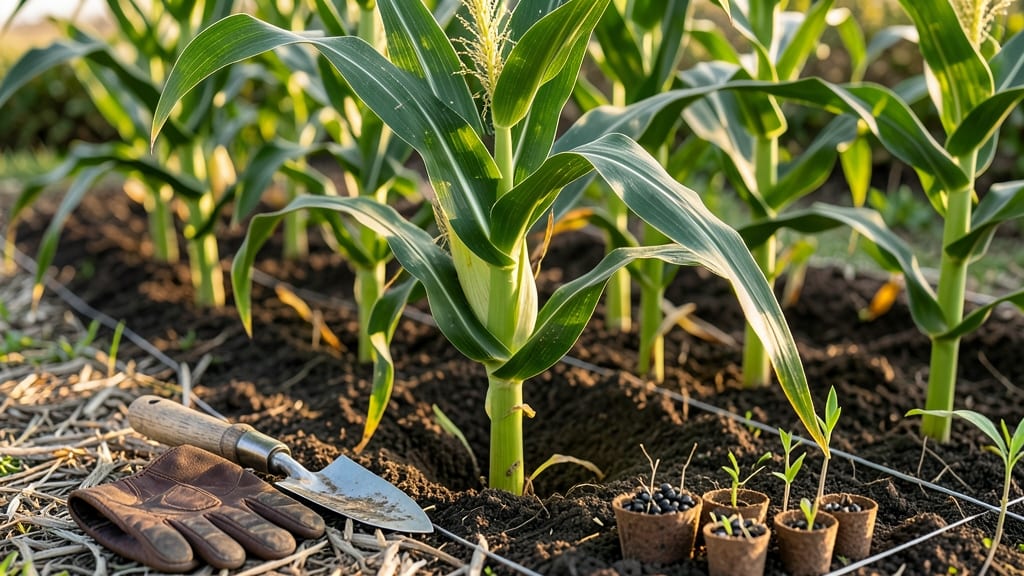
Planting corn in Minnesota isn't just about grabbing seeds and sticking them in the ground—it's about timing the soil temperature perfectly to avoid frost and maximize your harvest. One wrong move, and you could end up with stunted plants or worse, a total loss.
The secret lies in waiting for that sweet spot when the earth warms up to at least 50°F for 10+ days, a rule that changes everything for gardeners in the North Star State.
If you've ever watched your corn seedlings wilt after a late frost or struggled with uneven growth, you know how critical this window is. Minnesota's climate throws curveballs with its unpredictable spring weather, so knowing whether you're in the southern Zone 4 or northern Zone 3 makes all the difference.
Let me show you exactly when to plant for your specific corner of the state—and how to adjust if Mother Nature has other plans.
You might think all corn is created equal, but Minnesota's short growing season demands the right varieties. Early-maturing types like 'Golden Bantam' give you a fighting chance against frost, while standard varieties need 75-90 days of warmth to reach harvest.
I'll break down which types thrive where, so you can pick the perfect match for your garden's microclimate.
Ready to turn your backyard into a cornfield oasis? Grab your soil thermometer, and let's dive into the exact planting schedule that'll have you feasting on homegrown ears by summer's end. Trust me, your taste buds—and your plants—will thank you.
Minnesota corn planting dates by soil temperature zones
Minnesota's climate varies dramatically from south to north, making soil temperature the most critical factor for corn germination.
In Southern MN (Zones 4b-5a), you can plant as early as late April to early May, while Northern MN (Zones 3b-4a) gardeners should wait until mid-May to early June. The golden rule? Wait until soil reaches 50°F (10°C) consistently for 10+ days.
Corn seeds need warmth to sprout—below 50°F, germination stalls. Using a soil thermometer eliminates guesswork. In Twin Cities metro, aim for May 10-20, while Duluth gardeners should push planting to May 25-June 5 to avoid frost.
Remember: corn thrives on long, frost-free days, so late plantings risk stunted growth.
Here's how Minnesota's microclimates break down for optimal corn planting:
For Southern MN gardeners, early planting pays off—60-70 day varieties like 'Golden Bantam' can mature before first fall frosts. But in Northern MN, opt for 85-90 day varieties like 'Pioneer 39T21' to ensure harvest before September frosts.
Always check your last frost date (typically May 15 in south to June 10 in north) and count backward from your variety's days to maturity.
Another critical factor is day length. Corn needs 12+ hours of daylight for proper growth. In Northern MN, wait until June 1 to ensure sufficient daylight. If planting late, choose short-season varieties—they're bred to mature faster in cooler conditions.
For example, 'Early Sunglow' matures in just 65 days, making it ideal for late plantings.
Don't fall for the myth that earlier planting always wins. Cold, wet soil can drown seeds or cause seed rot. Always test soil moisture—it should be damp but not soggy. If your soil is too cold or wet, wait another week.
Patience now means healthier plants and bigger yields later. I once rushed planting in early May in St. Paul, and my corn took 3 weeks to sprout—a disaster for my harvest timeline!
For urban gardeners in Minneapolis, microclimates matter. South-facing gardens warm up 2-3 days earlier than north-facing ones. If your space gets less than 6 hours of sun, corn simply won't thrive—consider shorter varieties like 'Bodacious' (70 days) or skip corn altogether for shadier spots.
Always scout your garden for sun exposure patterns before planting.
One final tip: Warm your soil in advance. Lay down clear plastic mulch 1-2 weeks before planting to raise soil temps by 5-10°F. This trick lets Northern MN gardeners plant 2 weeks earlier safely.
Just remove the plastic right before sowing to avoid overheating seeds. I've seen this method add 10-14 days to my growing season in Zone 4a!
Remember, corn is a heavy feeder, so soil fertility matters just as much as timing. Test your soil's pH (6.0-7.0 ideal) and phosphorus levels before planting. In clay-heavy MN soils
How to test soil temperature for perfect corn germination
Testing soil temperature is the secret weapon for Minnesota corn growers. Corn seeds need soil to stay above 50°F (10°C) for at least 10 consecutive days to germinate properly.
Cold soil delays growth, leaving your plants vulnerable to late frosts or pests. I’ve learned the hard way—skipping this step can mean stunted plants or even total failure!
You don’t need fancy equipment to check soil temperature. A simple soil thermometer (available for under $10) is your best friend. These tools are inexpensive but save you from wasted seeds and effort.
For a DIY approach, use a kitchen thermometer with a long probe—just insert it 2 inches deep into the soil where you plan to plant.
Timing matters too. Test soil temperature in the late afternoon when it’s warmest. Record readings for 3-5 days to spot trends. If temperatures fluctuate wildly, wait a few more days before planting. Consistency is key—corn seeds won’t sprout reliably if the soil is too cool or uneven.
- Purchase a soil thermometer or repurpose a kitchen thermometer.
- Insert the probe 2 inches deep in your planting area.
- Check temperature daily at 4 PM for accuracy.
- Wait until readings stay above 50°F (10°C) for 10+ days.
- Plant seeds 1-2 inches deep once conditions are ideal.
Don’t overwater the soil while waiting for the right temperature—soggy cold soil can actually delay germination further. Instead, keep the soil lightly moist but well-drained. If you’re in doubt, opt for early-maturing corn varieties that can handle cooler soils better. They’re a lifesaver for Minnesota’s unpredictable spring weather!
Pro tip: Use a black plastic mulch to warm the soil faster if you’re eager to plant. It absorbs sunlight and raises ground temperature by 5-10°F. Just lay it down a week before planting to give your soil a head start.
This trick has helped me shave off critical days in my growing season.
Once your soil hits the sweet spot, act fast! Corn seeds germinate best when planted within 24-48 hours of ideal conditions. Don’t wait too long—soil temperatures can drop unexpectedly, especially in Minnesota’s Zone 3-5 regions. Stay vigilant and enjoy your bountiful corn harvest! 🌽