
Plants
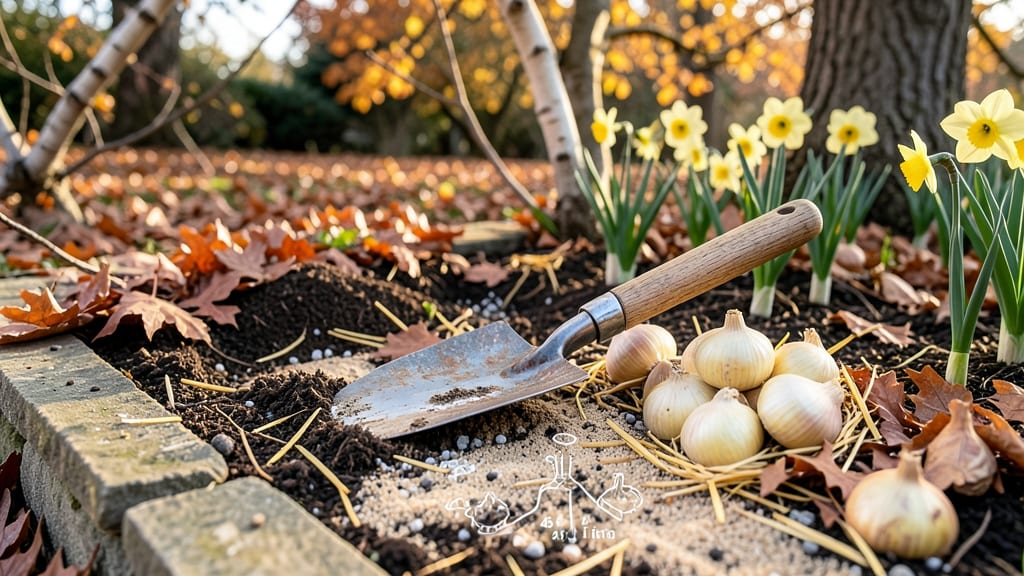
Planting daffodil bulbs at the right time in New York isn’t just about following a calendar—it’s about beating the first frost while giving roots time to establish before winter sets in.
The 6a zone means you’ve got just a narrow window between October 20 and the ground freezing solid, and getting it wrong can mean bulbs rotting or failing to bloom next spring.
I’ve learned the hard way that late October through early November is your sweet spot, but Upstate gardeners need to plant sooner than city dwellers—NYC’s urban heat can delay frost by weeks.
The key is soil temperature: aim for 50–60°F at planting depth, and you’ll set your daffodils up for zero-frost success.
Beyond timing, soil prep makes all the difference. Daffodils hate soggy soil, so amending clay-heavy ground with compost and ensuring proper drainage is non-negotiable. Whether you’re in Brooklyn or Buffalo, these steps will help your 🌼 blooms thrive year after year.
Ready to dig in? I’ll walk you through the exact steps—from soil tests to planting depth—to guarantee your daffodils push through snow and greet you with color by April. Let’s make next spring your brightest yet.
NY daffodil planting deadline: exact fall dates by region (Upstate vs NYC vs long Island)
New York’s daffodil planting window is narrow—just 6 weeks—but critical for bulbs to root before winter. The ideal time spans from mid-September to mid-November, but your exact deadline depends on your region’s first frost date and soil temperature.
Plant too early, and bulbs may rot; too late, and they’ll fail to establish roots before freezing.
Upstate NY’s colder zones (like Albany or Buffalo) demand earlier planting—aim for late September to early October—while NYC’s urban heat islands can stretch the window until mid-November.
Long Island falls somewhere in between, with a late October cutoff. Use a soil thermometer to confirm the ground has cooled to 50–60°F at 6 inches deep before planting.
Here’s how to adjust your timing based on your USDA Zone 6a location:
| Region | Planting Window | Soil Temp Threshold | Key Risk |
|---|---|---|---|
| Upstate (Albany, Buffalo) | Late September–Early October | 50–55°F | Early frost |
| NYC (Urban Heat Island) | Mid-October–Mid-November | 55–60°F | Delayed root growth |
| Long Island | Late October–Early November | 52–58°F | Salty soil (coastal areas) |
For Upstate gardeners, prioritize planting by October 15 to ensure bulbs root before the ground freezes. In NYC, you can push the deadline to November 1 thanks to the city’s retained heat, but monitor forecasts for early cold snaps.
Long Island’s coastal microclimate may require adjusting for salty soil—rinse planting holes with fresh water if your area is prone to road salt runoff.
Pro tip: If you miss the window, potted daffodils can be planted in late fall and overwintered in a garage or unheated shed, then transplanted in early spring. However, this method reduces bloom quality compared to in-ground planting.
Use these regional deadlines as your guide, but always double-check with your local Cooperative Extension office for hyper-local advice. For example, Syracuse may need bulbs in by October 1, while New Haven, CT (just over the border) can wait until November 10. 🌼
Once you’ve locked in your planting date, focus on soil prep—the next critical step. Daffodils thrive in well-draining, slightly acidic soil (pH 6.0–7.0), but NY’s clay-heavy soils and urban compacted dirt often need amendments.
In the next section, I’ll walk you through my step-by-step soil checklist to set your bulbs up for zero-frost success.
Remember: Daffodil bulbs are tolerant of cold but hate soggy soil. If your yard floods in spring, consider raised beds or elevated planting mounds. The goal is to mimic their natural woodland habitat, where bulbs nestle in loose, humus-rich soil under a canopy of trees. 🌿
Soil prep checklist for daffodils in NY: drainage, pH, and organic matter secrets
Daffodils thrive when your NY soil mimics their natural woodland habitat—well-draining, slightly acidic, and rich in organic matter. In Upstate NY, heavy clay soils can suffocate bulbs, while NYC’s compacted urban dirt may trap excess moisture.
Start by testing your soil pH (aim for 6.0–7.0) using a simple kit from your local garden center.
If your soil is too alkaline, amend it with peat moss or sulfur to lower the pH. For clay-heavy areas, mix in coarse sand or perlite to improve drainage. In urban gardens, raised beds are a game-changer—they prevent waterlogging and give roots room to establish before winter sets in.
Before planting, loosen the soil to a depth of 12 inches and work in 2–3 inches of compost. This mimics the leaf litter daffodils love in the wild.
For extra insulation in Zone 6a, add a 1-inch layer of mulch (like shredded leaves or straw) after planting to protect bulbs from freeze-thaw cycles.
Soil Prep Checklist for NY Daffodils
- Test soil pH (6.0–7.0 ideal). Use a kit or send a sample to your Cornell Cooperative Extension.
- Loosen soil to 12" depth with a fork or tiller to break up compaction.
- Amend clay soil with sand or perlite for better drainage.
- Add compost (2–3 inches) for nutrients and moisture retention.
- Mulch after planting with 1" of leaves or straw to insulate bulbs.
For container gardening, use a mix of potting soil, perlite, and compost (50/30/20 ratio). Ensure pots have drainage holes to prevent rot—daffodils hate soggy feet! If you’re planting in wet spring areas, consider a slight mound or raised bed to keep bulbs elevated.
One pro tip: Plant daffodil bulbs deeper in heavy clay (6–8 inches) to protect them from voles or freezing. In sandy soils, you can plant slightly shallower (4–6 inches). Always plant with the pointy end up—this ensures proper root and shoot development.
After planting, water deeply to settle the soil and encourage root growth. Avoid overwatering in late fall, as excess moisture can lead to bulb rot before winter. A well-prepped bed sets the stage for vibrant spring blooms that’ll brighten even the grayest NY days.