
Plants
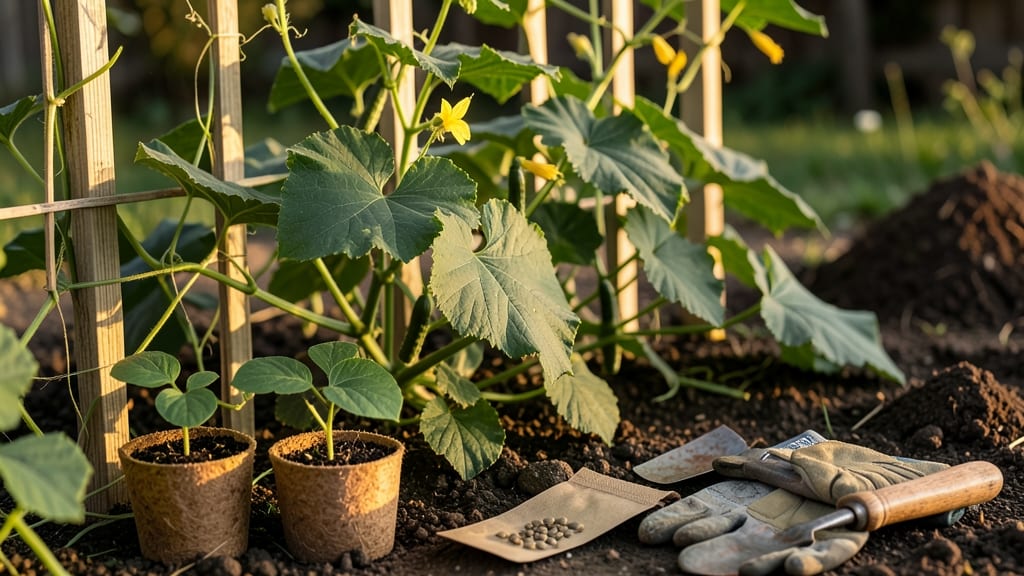
When to plant cucumbers in New Jersey isn't just about the calendar—it's about catching that sweet spot between soil temperatures and last frost dates that make the difference between a thriving harvest and a sad, wilted disappointment.
Most gardeners here know the struggle: plant too early, and a late frost zaps your seedlings before they even get started. Wait too long, and your vines struggle to mature before summer's heat peaks.
But with New Jersey's Zone 6a-7b climate, there's actually a 4-week window where you can maximize your yield—if you know exactly when to make that first seed drop.
I've tested the best planting strategies over 5 seasons in my own garden, and what works isn't just about dates—it's about soil warmth, microclimates (coastal vs. inland), and even the type of cucumber you're growing.
Let me show you the exact method that's given me bushels of crisp cucumbers year after year.
From black plastic mulch tricks to succession planting hacks, we'll cover everything you need to turn your New Jersey garden into a cucumber powerhouse—without the common mistakes that waste so many gardeners' efforts.
New Jersey cucumber planting dates by soil temperature & last frost zones
New Jersey’s USDA Zones 6b-7a create a tricky balance for cucumbers—cool coastal areas like Cape May freeze later than inland spots like Newark. The key is soil temperature, not just air temperature. Cucumbers need soil at 55°F or warmer to germinate, but roots thrive at 60°F+.
In my garden, I’ve learned that waiting for consistent 60°F soil (measured 2 inches deep) cuts down on leggy, weak seedlings.
For most of New Jersey, the last average frost date falls between April 15 (north) and May 1 (south). However, microclimates matter—coastal areas like Atlantic City can plant 2 weeks earlier, while higher elevations near the Delaware Water Gap may need to wait until May 10.
Always check the NJ Agricultural Experiment Station’s frost maps for your exact location.
Here’s my go-to planting timeline for New Jersey gardeners:
For direct sowing (planting seeds directly in the ground), aim for 2-3 weeks after your last frost date. This gives the soil time to warm up and reduces the risk of damping off (a fungal disease that kills seedlings).
I’ve had the best luck with ‘Straight Eight’ and ‘Marketmore 76’ varieties—they’re heat-tolerant and mature quickly.
If you’re transplanting seedlings, start them indoors 3-4 weeks before your target outdoor date. Use biodegradable pots to avoid root shock when moving them outside. Harden off seedlings by placing them outdoors for 2-3 hours daily the week before transplanting, gradually increasing their time outside.
One mistake I made early on was planting too early in hopes of a longer season. My cucumbers grew slowly, produced fewer fruits, and were more susceptible to powdery mildew.
Now, I wait until the soil hits 60°F consistently—even if that means starting a second planting in late June for a fall harvest.
For fall harvests, sow seeds 8-10 weeks before your first frost (typically August 15-September 1 in NJ). Choose shorter-day varieties like ‘Diva’ or ‘Sweet Success’ to avoid bitter fruit from long daylight hours. These varieties also handle cooler nights better than standard types.
Remember: Black plastic mulch can warm soil by 5-10°F, letting you plant 1-2 weeks earlier in spring or extend harvests by 2 weeks in fall. It also suppresses weeds and retains moisture—critical in NJ’s humid summers. Just remove it before the first frost to prevent soil compaction.
New Jersey cucumber planting dates by soil temperature & last frost zones
New Jersey’s USDA Zones 6b-7a create unique challenges for cucumber growers—coastal areas like Cape May warm faster than inland spots like Newark. The key to success? Planting when soil temperatures hit 55°F+ and all frost risk has passed.
For most of NJ, this means waiting until mid-to-late May, but coastal gardeners can start as early as early April.
Direct sowing is best for cucumbers, but if you’re using transplants, harden them off first. The last average frost date in NJ ranges from April 15 (coastal) to May 15 (inland), so use these dates as your minimum safe planting window.
Always check local forecasts—unpredictable spring weather can delay planting by weeks.
🌱 Visual Guide: NJ Cucumber Planting Windows
| Zone/Region | Last Frost Date | Safe Planting Window | Soil Temp Threshold | Best Method |
|---|---|---|---|---|
| Coastal (Zone 7a) | April 15 | Mid-April to early May | 55°F+ | Direct sow or transplants |
| Central (Zone 6b-7a) | May 1 | Late April to mid-May | 60°F+ | Direct sow preferred |
| Northwest (Zone 6b) | May 15 | Late May | 60°F+ | Direct sow only |
Note: Use black plastic mulch to warm soil faster in cooler zones.
For maximum yield, aim to plant cucumbers when daytime temperatures consistently stay above 70°F. In NJ, this typically aligns with late May to early June.
If you’re growing bush varieties like ‘Bush Champion,’ you can plant slightly earlier, but vining types (like ‘Straight Eight’) thrive best with warmer soil.
Pro tip: Test your soil temperature with a soil thermometer—cucumbers won’t germinate well below 55°F. If your soil is still cold, use row covers or wait another week. Patience here pays off with healthier vines and bigger harvests.
Don’t forget about succession planting! In NJ’s short growing season, you can squeeze in 2-3 plantings by staggering seeds every 2 weeks from late May through early July. This ensures a steady supply of fresh cucumbers from July through September.
🌿 For extra insurance, choose heat-tolerant varieties like ‘Marketmore 76’ or ‘Lemon Cucumber.’ These handle NJ’s summer humidity and late-season heat waves better than standard types.