
Plants
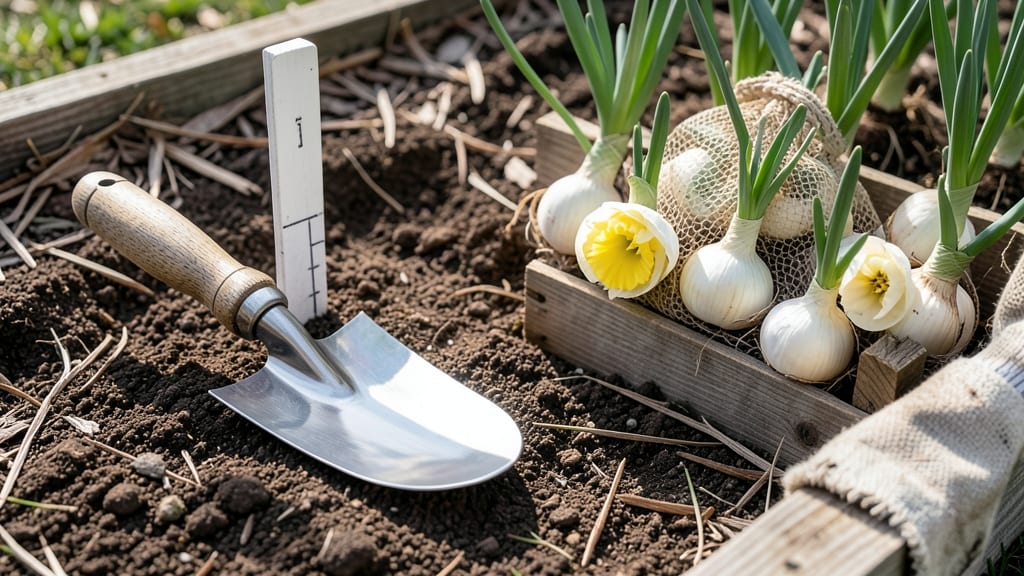
Planting daffodil bulbs at the wrong time in Seattle can mean the difference between vibrant spring blooms and a wasted investment. The key to success lies in understanding your Zone 8a climate, where coastal rains and mild winters create unique growing conditions that demand precise timing.
Most gardeners in the area rush to plant too late, missing the ideal October-November window when soil temperatures are perfect for root establishment. I’ve learned that planting too early exposes bulbs to potential frost damage, while waiting too long risks shallow roots that struggle through winter.
Getting it right means your 🌼 daffodils will emerge strong and show-stopping come April.
What makes Seattle’s timing even trickier is the interplay between rainfall and soil drainage. Unlike drier regions, our wet winters require careful preparation to avoid soggy soil that can rot bulbs.
I’ll walk you through the exact steps to time your planting for maximum success—no guesswork, just proven results for your local climate.
Ready to transform your garden with bold, early blooms? Let’s break down the science behind Seattle’s planting window and how to prepare your soil for foolproof daffodil success. You’ll discover why late fall is your golden opportunity and how to adjust for your specific neighborhood’s microclimate.
Seattle’s ideal daffodil planting window: frost-free timing guide
Seattle’s Zone 8a-9a climate creates a unique challenge for daffodil bulb planting—too early, and early frosts can damage tender roots; too late, and bulbs won’t establish before winter dormancy.
The key is planting 4-6 weeks before the first hard frost, typically between mid-October and early November in most of the region.
For West Seattle and coastal areas, where temperatures stay milder, you can push planting to early December. Meanwhile, Eastside neighborhoods like Bellevue often experience earlier frosts, so aim for late October to give bulbs enough time to root before winter sets in.
Seattle’s coastal rainfall also plays a role—excess moisture can cause bulb rot, so well-draining soil is critical. Most years, the last frost date hovers around January 15th, but microclimates vary by just a few blocks, so always check your local first-frost average.
🌱
🌼 Seattle Daffodil Planting Timeline
| Stage | Action | Notes |
|---|---|---|
| Soil Prep | Test soil pH (6.5-7.0) | Amend with compost if needed |
| Planting Window | Mid-October to early November | 4-6 weeks before frost |
| Bulb Depth | 2-3x bulb height (6-8 inches) | Deeper in sandy soil |
| Watering | Deep water after planting | Reduce as winter approaches |
| Frost Check | Monitor local forecasts | Adjust for microclimates |
✅ Pro Tip: Use a soil thermometer—ideal planting soil temp is 50-60°F.
To refine your timing, consider Seattle’s microclimates. The Puget Sound moderates temperatures, but inland areas like Redmond or Kirkland can experience 5°F colder nights. Always plant after the first hard frost has passed but before soil temperatures drop below 45°F.
For container gardening, plant bulbs in well-draining pots with a mulch layer to insulate roots. Containers warm up faster in spring, so they may bloom 2-3 weeks earlier than in-ground plantings.
If you miss the ideal window, early December is still acceptable for coastal areas, but bulbs may need extra mulch protection against winter rains. Avoid planting after January 1st—the bulbs won’t have enough time to root before spring growth begins.
🌿
Use local frost date data from sources like the University of Washington’s AgWeatherNet to fine-tune your schedule. Their free frost alerts can help you adjust for unexpected cold snaps, ensuring your daffodils get the perfect head start for Seattle’s vibrant spring displays.
Once planted, mulch heavily (3-4 inches) to protect bulbs from temperature fluctuations and winter rains. This insulation layer also suppresses weeds and retains moisture for early root growth.
💧
Step-by-step planting schedule for Seattle’s coastal regions
Seattle’s Eastside and Westside microclimates create distinct planting windows for daffodils. The Eastside, with its slightly warmer temperatures, can start 1-2 weeks earlier than the Westside. I’ve found that late October is ideal for most neighborhoods, but adjustments are key based on your specific location and elevation.
For West Seattle (cooler, wetter), aim for mid-October to early November when soil temperatures drop below 60°F. The Eastside, including Bellevue or Kirkland, can plant as early as late September if your soil drains well.
Always check your local USDA Zone 8a frost dates—Seattle’s average first frost is January 15, but bulbs need 4-6 weeks to root before winter.
📅 Your Seattle Daffodil Planting Timeline
- 📅 Late September (Eastside only) – Prepare soil by amending with compost and sand if drainage is poor. Test soil pH (aim for 6.0-7.0).
- 📅 Mid-October (Westside) – Plant bulbs 6 inches deep and 4-6 inches apart in well-draining soil. Add a 2-inch mulch layer to protect from rain.
- 📅 Early November (All Regions) – Final planting window before soil freezes. Water deeply if rainfall is less than 1 inch/week.
- 📅 December-January – Monitor for frost heave (mulch helps!). Avoid disturbing soil until shoots emerge in late February.
- 📅 March-April – Fertilize lightly with 10-10-10 when shoots are 3-4 inches tall. Reduce watering as flowers fade.
Pro tip: Use raised beds in soggy areas like Ballard or West Seattle to improve drainage. I’ve seen daffodils thrive in raised beds where water pools in winter. For containers, plant bulbs in well-draining mix with perlite and ensure pots have drainage holes.
Companion planting boosts success—pair daffodils with grape hyacinths or crocuses to deter squirrels. I’ve had great luck planting near fertilizer-rich perennials like hostas, which benefit from the daffodils’ early blooms. Avoid planting near tulips, as they share pests like squirrels.
If you miss the fall window, late winter planting (February) is possible but risky—bulbs may not establish roots before summer heat. For container gardens, plant in October and move pots to a garage or shed if frost threatens.
Always label your bulbs; paper whites and Jonquil varieties bloom earlier than Ice Follies or Tête-à-Tête.
Remember: Soil temperature, not calendar dates, dictates success. Use a soil thermometer to confirm 50-60°F soil temps before planting. This simple tool has saved my daffodils from rot in chilly, wet winters. Happy planting—your spring garden will thank you! 🌼