
Plants
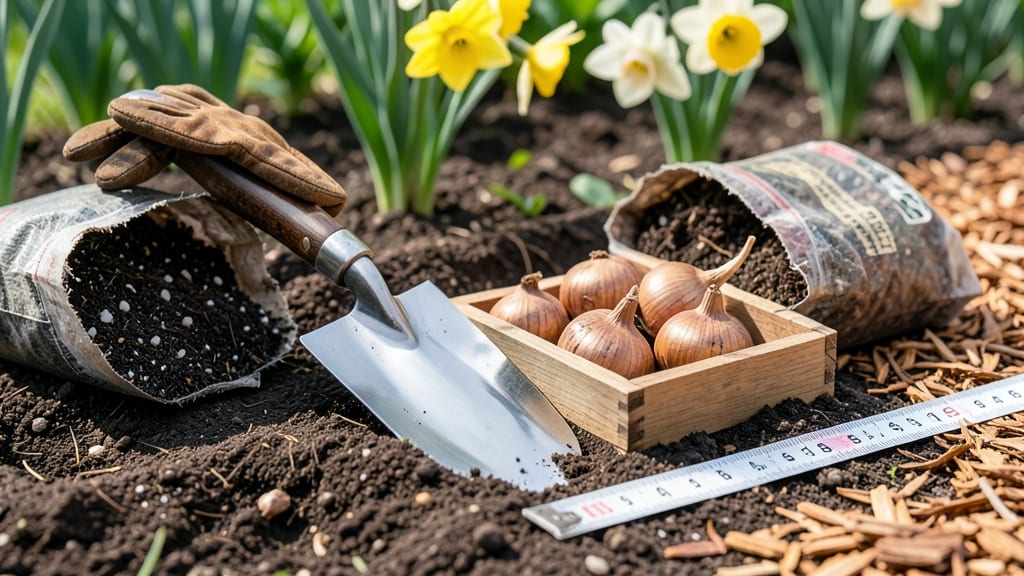
Planting daffodils in North Carolina at the wrong time can mean the difference between a showstopping spring display and wasted effort. These cheerful 🌼 blooms need precise timing—too early, and a late frost zaps your investment; too late, and you miss their natural growth rhythm.
Most gardeners in zones 6a-8b swear by fall planting, but NC’s variable climate demands a smarter approach. The key? Planting 6-8 weeks before your first frost—typically between late October and early November—gives roots time to establish before winter’s chill sets in.
Here’s where local factors like elevation or coastal breezes come into play. Piedmont gardeners might push planting to early November, while mountain areas could start as early as September. I’ll break down exactly how to time it right for your corner of the state.
Ready to avoid the common mistakes that leave daffodils struggling? Let’s dive into the best months, soil prep secrets, and how to outsmart NC’s frost quirks for blooms that steal the show every spring.
Optimal planting months for NC daffodils by hardiness Zone
North Carolina spans USDA Zones 7a-8b, where frost dates vary dramatically—from mid-October in Zone 8b to mid-November in Zone 7a. Timing your daffodil planting to this 6-week window before the first frost ensures bulbs establish roots before winter dormancy.
Miss this window, and you risk weak blooms or no flowers at all.
Most gardeners in NC aim to plant daffodils between mid-October and early November. This aligns with soil temperatures dropping to 50-60°F, ideal for root growth without premature freezing.
Early varieties (like 'Tête-à-Tête') can handle slightly later planting, while standard types (like 'Ice Follies') need the earlier window.
For Zone 7a (central NC, including Raleigh and Greensboro), the sweet spot is October 15-November 1. In Zone 8b (coastal areas like Wilmington), you’ve got a bit more flexibility—plant between October 1-November 15. Mountain regions (Zone 7a) should push toward the earlier end of this range.
Here’s the critical rule: Plant daffodils when your soil is cool but not frozen. Use your finger to check—if you can push it in 3-4 inches deep without resistance, it’s time. A soil thermometer confirms ideal temps: 50-60°F at 6 inches deep.
| USDA Zone | First Frost Date | Ideal Planting Window | Soil Temp Threshold | Notes |
|---|---|---|---|---|
| Zone 7a (Raleigh, Greensboro) | November 1 | October 15–November 1 | 50–60°F | Early varieties can extend to November 10. |
| Zone 7b (Asheville, Charlotte) | October 25 | October 1–November 10 | 50–60°F | Mountain areas may need earlier planting. |
| Zone 8a (Coastal NC) | October 15 | October 1–November 15 | 55–65°F | Later planting possible due to milder winters. |
| Zone 8b (Wilmington, Outer Banks) | October 1 | October 1–November 15 | 55–65°F | Extreme late planting (Dec) may work with mulch. |
Pro tip: Use NC State Extension’s Frost/Freeze Probability Maps to refine your timing. For example, the Piedmont region (Zone 7a) averages its first frost 2 weeks earlier than the coast (Zone 8b). Adjust accordingly—don’t assume a one-size-fits-all approach for the entire state.
If you’re planting in containers or raised beds, extend your window by 1-2 weeks. These areas warm up faster in spring and cool down quicker in fall. Just ensure containers have drainage holes to prevent bulb rot during winter rains.
For late bloomers (like 'Paperwhite' daffodils), you can push planting to December 1 in Zone 8b, but cover bulbs with 4-6 inches of mulch to insulate them. In colder zones (7a), December planting is risky unless you have a frost-free microclimate.
Remember: Daffodils need 6-8 weeks of cool soil to form roots before winter. If you plant too late, bulbs may not establish properly, leading to smaller or no flowers the following spring. When in doubt, plant earlier—you can always add mulch later to protect them.
🌼
How to adjust planting timing for NC’s microclimates
North Carolina’s diverse geography means your daffodil planting window can shift dramatically depending on where you live. The Piedmont region (like Raleigh) has cooler winters, while Coastal areas (such as Wilmington) experience milder temperatures.
Even mountain zones (like Asheville) face earlier frosts. Understanding these variations helps you plant at the perfect time for your specific location.
For example, in Zone 7a (central NC), aim for mid-October to early November. But in Zone 8b (coastal NC), you can plant as late as December without frost risk. Conversely, high-elevation areas (like the Blue Ridge Mountains) may need planting by late September to avoid early freezes.
🌱 NC Microclimate Planting Adjustments
Zone 7a
Plant: Oct 15–Nov 1
Why: Cooler winters, earlier frosts
Zone 8b
Plant: Nov 1–Dec 15
Why: Warmer winters, delayed frost
Zone 6a
Plant: Sep 15–Oct 15
Why: Early frosts, shorter window
Urban heat islands in cities like Charlotte can also delay frost, giving you a slightly later planting window.
If you’re unsure about your local frost date, check the NC State Climate Office or use a soil thermometer—aim to plant when soil temps hit 60°F but are cooling toward 50°F. This ensures bulbs establish roots before winter dormancy.
Another trick? Plant early-blooming varieties (like ‘Tête-à-Tête’) in cooler zones and late-blooming types (like ‘Ice Follies’) in milder areas. This maximizes your chances of seeing those bright yellow blooms come spring, no matter where you garden in NC.
Soil prep matters too—amend heavy clay soils (common in the Piedmont) with compost to improve drainage, while sandy soils (like those in the Coastal Plain) benefit from organic matter to retain moisture. A well-prepared bed ensures your daffodils thrive regardless of your microclimate.
Finally, if you’re in a transitional zone (like the Sandhills region), split your planting: put half in early October and the rest in November. This hedges against frost risk while giving you a longer bloom season.
🌿