
Plants
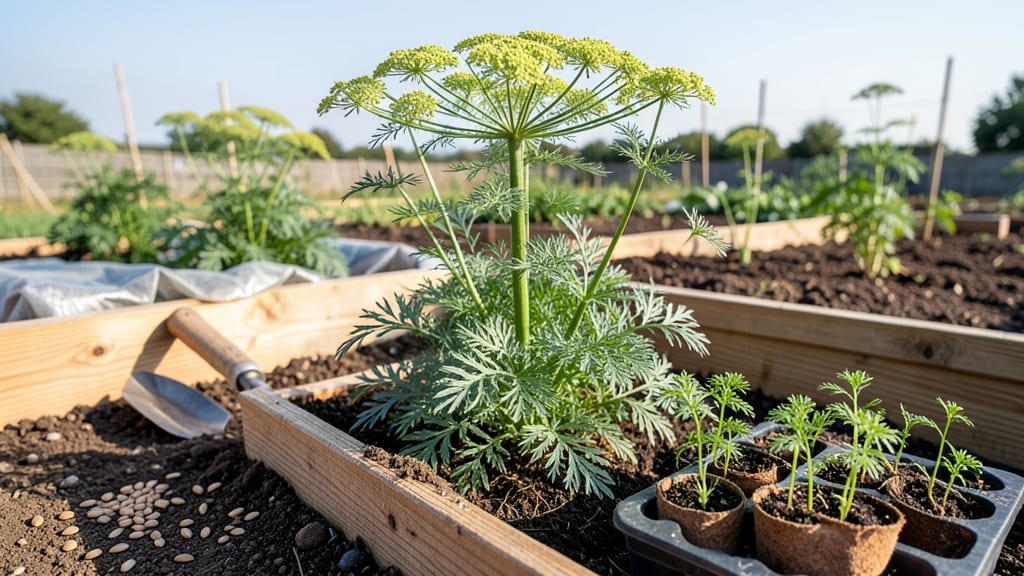
Planting dill in Oregon at the wrong time can turn your 🌿 dill into a bitter, stunted mess—unless you know the exact window for your region. Whether you're in Portland's milder coastal zone or Medford's warmer inland valleys, timing is everything to get that fresh, flavorful harvest you crave.
Most gardeners in Oregon's 7b-9a zones swear by two perfect planting seasons: spring (March 15-April 30) and fall (August 15-September 15). But here's the catch—coastal areas like the Willamette Valley can start 2-3 weeks earlier than inland spots, where hotter summers demand later starts.
Get this right, and you'll enjoy fresh dill from June through November.
I've tested these timing strategies myself, and the difference between a lush, productive plant and one that bolts too soon comes down to just a few weeks of precision.
Let me show you exactly when to plant for your specific Oregon microclimate—and how to stretch your harvest season even longer with simple tricks.
From avoiding frost surprises to choosing the perfect sunny spot, this guide covers everything you need to grow dill that tastes like summer all season long. Ready to transform your garden into a flavor factory?
Best planting dates for dill in Oregon by region (coastal vs inland)
Oregon’s coastal and inland regions have wildly different climates, which means your dill planting dates should change depending on where you live. Coastal areas like Astoria or Seaside stay cooler longer, while inland spots like Bend or Redmond heat up faster.
Let’s break down the best times to plant dill in each zone for maximum flavor and yield.
Dill thrives in USDA zones 7b-9a, but Oregon’s microclimates create big differences. For example, Portland’s last frost typically hits around April 15, while Medford’s arrives by March 15.
These variations mean your planting window could shift by 3-4 weeks depending on location. Always check your local frost dates to avoid frost damage to young seedlings.
Dill is a cool-season crop that prefers soil temperatures between 70°F-75°F for germination. In Oregon’s coastal regions, soil warms slowly, so start seeds indoors 4-6 weeks before your last frost date.
Inland areas can plant directly outdoors 2 weeks earlier because the ground warms faster. Pro tip: Use a soil thermometer to confirm temperatures before sowing.
| Region | Last Frost Date | Best Planting Window | Soil Temp for Germination | Notes |
|---|---|---|---|---|
| Coastal (e.g., Astoria, Cannon Beach) | May 1 - May 15 | April 15 - May 10 | 70°F-75°F | Start indoors March 1; slow soil warming |
| Willamette Valley (e.g., Portland, Eugene) | April 1 - April 15 | March 20 - April 30 | 65°F-70°F | Direct sow after last frost; watch for spring rains |
| Inland (e.g., Bend, Redmond, Pendleton) | March 15 - April 1 | March 1 - April 15 | 60°F-65°F | Plant early; hot summers stress plants |
| Southern Oregon (e.g., Medford, Ashland) | February 28 - March 15 | February 15 - March 30 | 55°F-60°F | Longest growing season; can plant twice |
For fall planting, aim for August 15 - September 15 across all regions. Dill is a biennial in Oregon, meaning it can overwinter in milder zones like the coast or Willamette Valley.
However, inland areas may need to treat it as an annual due to frost. If you’re in Zone 8b or warmer, try a fall harvest for fresh dill in late autumn.
Always direct sow dill seeds—they hate transplanting. Scatter seeds ¼ inch deep in well-draining soil with full sun exposure. In coastal Oregon, use black plastic mulch to warm the soil faster.
Inland gardeners should shade young plants from intense afternoon sun to prevent bolting. Water gently after planting to keep seeds moist until germination (7-14 days).
If you’re in Zone 9a (like Southern Oregon), you can even try winter planting for early spring harvests. Just cover seedlings with frost cloth if temperatures dip below 25°F.
Remember, dill bolts quickly when stressed, so consistent moisture and proper spacing (12-18 inches apart) are key to a long harvest season.
For container growing, use pots at least 12 inches deep and plant 2-3 seeds per container. Coastal gardeners can extend the season by bringing pots indoors before frost.
Inland areas should prioritize shade cloth in summer to prevent heat stress. Always use well-draining potting mix to avoid root rot, especially in Oregon’s wet winters.
Pro tip: Mark your planting dates on a calendar and set reminders for harvest times. Dill’s flavor peaks when leaves are 4-6 inches tall and fully aromatic.
If you miss the spring window, don’t worry—fall planting can still yield delicious herbs for late-season use in soups, salads, and pickling.
🌱
How to time dill planting for continuous harvests in Oregon’s short growing season
Oregon’s short growing season (just 150-220 frost-free days) means timing your dill planting right isn’t just about getting a harvest—it’s about stretching that harvest for as long as possible.
The key? Succession planting in both spring and fall, paired with smart companion planting to protect your crop from Oregon’s unpredictable weather.
Most gardeners in the Willamette Valley or Southern Oregon make the mistake of planting all their dill seeds at once, only to watch it bolt or fade by late summer.
Instead, I’ve found that planting in two-week intervals from mid-March through April—and again in August—gives me fresh dill leaves from June through October. That’s nearly double the harvest window!
Here’s the secret: Dill matures quickly (just 50-70 days to harvest), so you can squeeze in multiple plantings. For example, if you start your first batch on March 15, follow up with another on March 30, then April 15.
Each new batch will be ready to harvest just as the previous one starts to bolt.
🌱 Pro Tip: Use biodegradable pots for your staggered plantings. This lets you transplant seedlings without disturbing their roots, giving you a head start on the growing season.
5 Steps to Stretch Your Dill Harvest in Oregon
- Start early: Plant your first batch 2-3 weeks before your last frost date (e.g., March 15 in Portland, March 1 in Medford).
- Space plantings: Add new batches every 2-3 weeks until April 30 for spring, and again from August 15 onward.
- Choose shade-tolerant companions: Pair dill with tomatoes, cucumbers, or lettuce to protect it from late-spring frosts or summer heat stress.
- Harvest strategically: Pinch back flower stalks to encourage leaf growth, and harvest outer stems first to keep plants bushy.
- Extend fall harvests: Use row covers to shield plants from early October frosts in inland areas.
Don’t overlook companion planting—it’s a game-changer for Oregon’s variable weather. For example, planting dill near tomatoes deters spider mites, while cucumbers provide shade that keeps dill soil cooler in inland heat. I’ve seen my harvest extend by 3-4 weeks just by using these pairings!
If you’re in coastal Oregon, where summers are cooler, you can even try a third planting in early July for a late-season harvest. Just be prepared to protect seedlings with cloches or shade cloth if a heatwave hits.
The goal is to keep your dill happy and productive until the first frost.
🌿 Remember: Dill’s bolting tendency is your friend—it means the plant is ready for seed harvest. If you’re growing dill for pickling or cooking, focus on harvesting leaves before flowers appear. For dill seeds, let a few plants bolt and save seeds for next year!