
Trees
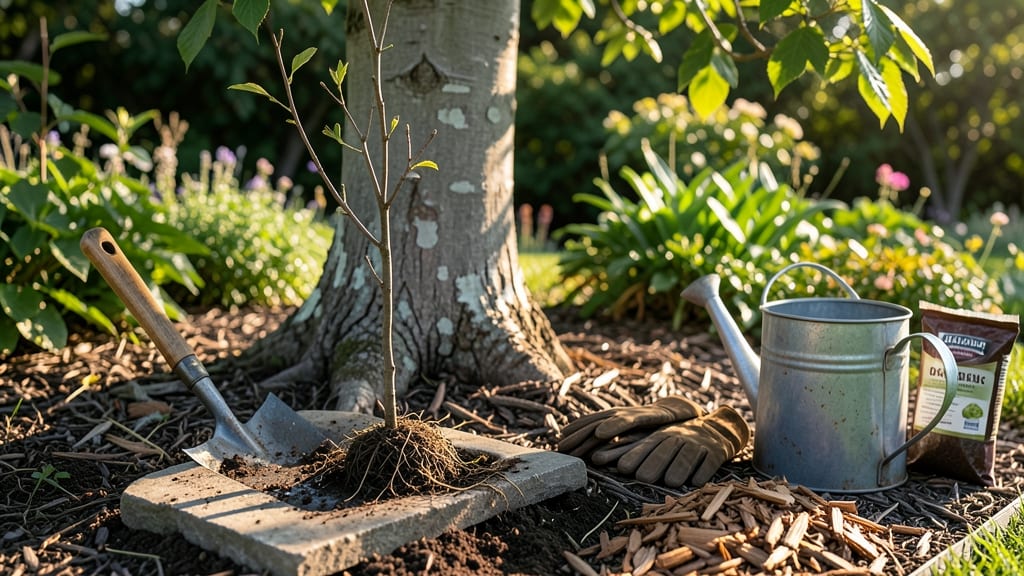
Timing your Dogwood Tree 🌳 planting in Texas can mean the difference between a thriving landscape star and a struggling investment. The right window—late fall to early spring—gives young roots the best chance to establish before summer’s brutal heat arrives.
I’ve seen too many gardeners rush planting in spring, only to watch their dogwoods wilt under Texas sun. The key is cooler temperatures and consistent moisture, which is why November through February works best across zones 8a-10b.
North Texas may need to wait until March, while South Texas can plant as late as February.
Why does this matter? Dogwoods are delicate when young, and summer planting in Texas is a recipe for transplant shock. We’ll break down exactly when to plant in your specific region, plus soil prep tips to set your tree up for vibrant spring blooms and long-term health.
Let’s get into the science of Texas dogwood planting—so you can skip the guesswork and start growing with confidence.
Best months to plant dogwood trees in Texas for maximum survival
Texas gardeners know that timing is everything when planting trees, especially delicate species like dogwoods. These stunning trees thrive when planted during cooler months, when soil temperatures stay below 70°F (21°C).
For Texas, this means focusing on late fall through early spring, avoiding the brutal summer heat that can shock young roots.
Dogwoods are native to temperate climates, so they struggle with Texas's intense summer heat and drought conditions. Planting during the wrong season can lead to transplant shock, stunted growth, or even death.
The key is to align your planting schedule with Texas's three distinct climate zones—North, Central, and South—each with slightly different frost dates and ideal planting windows.
Let's break down the optimal planting months for each Texas region, so you can give your dogwood the best chance to flourish. Understanding these windows will help you avoid common mistakes and ensure your tree establishes strong roots before summer arrives.
🌱
| Texas Region | USDA Zones | Last Frost Date | Best Planting Window | Why This Timing |
|---|---|---|---|---|
| North Texas | 8a-9a | Mid-February | November - February | Cooler soils, lower evaporation, and reduced stress from summer heat. |
| Central Texas | 8b-9b | Late February | October - March | Extended growing season allows for earlier planting before heat peaks. |
| South Texas | 9a-10b | Mid-March | September - February | Warmer winters allow for later planting, but avoid summer drought stress. |
🌡️ Key Consideration: Plant 6-8 weeks before the average last frost date for your region.
In North Texas, where winters can be harsh, aim to plant between November and February. This window ensures your dogwood has time to establish roots before the ground heats up in spring.
For Central Texas, you have a slightly longer window—October through March—thanks to milder winters and a more extended growing season.
If you're in South Texas, you can plant as late as February, but avoid planting in late spring or summer. The intense heat and drought conditions in these months can cause severe stress, leading to poor establishment.
Instead, focus on fall planting, which gives roots time to grow before summer arrives.
While dogwoods can technically be planted in early spring (March-April), this is riskier in Texas. The soil is often still warm, and evaporation rates are high. If you must plant in spring, choose March and prioritize deep watering and mulching to protect young roots from drying out.
One of the biggest mistakes Texas gardeners make is planting dogwoods in late spring or summer. The extreme heat and lack of rainfall create transplant shock, making it nearly impossible for roots to establish.
If you miss the fall window, wait until the next fall season—your dogwood will thank you with healthier growth and vibrant spring blooms.
For best results, align your planting with Texas's natural rainy season. In most regions, this falls in late fall and early spring, providing natural moisture to help roots settle. If you're planting in dry conditions, supplement with regular deep watering until the tree is established.
Remember, dogwoods are slow-growing trees, so giving them the best start is critical. By planting at the right time, you'll set the stage for years of beautiful blooms and lush foliage—making your Texas landscape stand out.
🌳
Texas-specific dogwood varieties and their optimal planting times
Texas gardeners have unique options when planting dogwood trees, with native varieties thriving better than non-native species. The Florida Dogwood (Cornus florida) and Texas Redbud (Cercis canadensis var. texensis) are two standout choices, each with distinct planting windows tailored to our state's microclimates.
Understanding these varieties' needs ensures your tree establishes strong roots before Texas summers hit.
For North Texas (USDA Zones 7b-8a), the Texas Redbud is a top pick—it blooms early and handles our cooler winters well. In Central Texas (Zones 8a-8b), the Florida Dogwood excels, while South Texas (Zones 9a-10b) gardeners should opt for heat-tolerant Eastern Dogwood cultivars like 'Cherokee Brave'.
Each variety has its own ideal planting window to avoid transplant shock.
Visual Element: Below is a summary table outlining the best dogwood varieties for Texas, their optimal planting months, and key care notes to maximize survival rates.
The Texas Redbud is your best bet for North Texas because it blooms in early spring, often before the last frost. Plant it between November and February to give roots time to establish before summer heat arrives.
This variety thrives in USDA Zone 7b-8a, making it perfect for areas like Dallas or Fort Worth where winters can still dip below freezing.
In Central Texas, the Florida Dogwood shines with its stunning white spring blooms. Plant it between December and March, avoiding the hottest months. This variety prefers well-draining soil and benefits from a thick layer of mulch to retain moisture during our dry spells.
Areas like Austin or San Antonio (Zones 8a-9a) are ideal for this showstopper.
For South Texas gardeners in Zones 9a-10b, the Eastern Dogwood cultivar 'Cherokee Brave' is a heat-resistant winner. Plant it between January and April, timing it to avoid the peak summer heat.
This variety handles our intense sun better than others, but it still appreciates partial shade to prevent leaf scorch during the hottest afternoons.
Regardless of the variety, soil preparation is key. Amend your soil with compost and ensure proper drainage to prevent root rot—a common issue in Texas's heavy clay soils. Always water deeply after planting to help roots establish before our brutal summers arrive.