
Plants
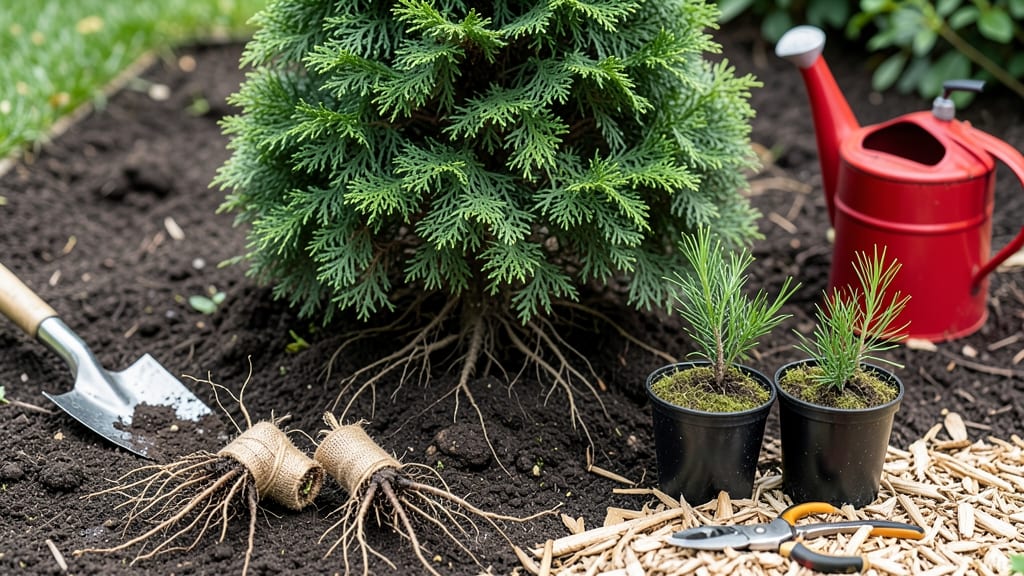
Planting evergreens at the wrong time in Zone 6 can mean the difference between a thriving 🌲 and a struggling one—so getting the timing right is your first step to success.
Whether you're adding a boxwood hedge or a towering pine, the best window matters more than you might think, especially with frost dates looming.
Fall planting, between September and November, gives evergreens a head start on root growth before winter sets in. This is when soil stays warm enough for roots to establish, but cool enough to avoid stress from summer heat.
Meanwhile, early spring—March through April—offers a second chance if you missed the fall window.
But here's the catch: container-grown evergreens and bare-root specimens have different needs, and skipping key details like soil temperature or microclimates can backfire. I'll walk you through the science behind these timelines, plus the 5 critical mistakes that even experienced gardeners make when planting outside the ideal window.
Ready to set your evergreens up for long-term success? Let’s dive into the exact months, regional tweaks, and care tips that make all the difference in Zone 6.
Optimal planting months for evergreens in Zone 6: what science says
Timing your evergreen planting in Zone 6 depends on two key factors: soil temperature and frost risk. Research shows evergreens establish roots best when soil temps stay above 40°F (4°C) but before winter dormancy kicks in.
This window creates the perfect balance for root growth without stress from extreme cold or heat.
Fall planting (late September through October) is ideal because cooler air temps reduce transplant shock while still allowing roots to grow before the ground freezes.
Spring planting (early March to April) works too, but requires waiting until after the last frost date (May 15 in most of Zone 6) to avoid early-season cold snaps that can damage tender new growth.
Conifers like pine trees and spruces prefer fall planting because their needle production slows in winter, reducing water needs. Broadleaf evergreens such as holly or boxwood, however, handle spring planting better—their leaves need time to harden off before winter.
Soil temperature is the real game-changer. Use a soil thermometer to confirm temps are consistently above 50°F (10°C) before planting. In Zone 6, this typically aligns with late September for fall or mid-April for spring.
Evergreens planted too late in fall (after November 1) risk root freeze before establishing. Spring plantings after May 1 may face summer drought stress if not watered properly. Aim for that 2-3 week window before the first frost—this gives roots 4-6 weeks to settle in.
Container-grown evergreens adapt better to spring planting because their roots aren't disturbed by frost heave. Bare-root specimens, however, thrive when planted in fall because their dormant state reduces stress during transplant.
| Planting Window | Best For | Soil Temp Requirement | Frost Risk | Root Establishment Time |
|---|---|---|---|---|
| Late September - October | Conifers (pine, spruce), bare-root plants | 40°F - 60°F (4°C - 15°C) | Low (before first frost) | 4-6 weeks |
| Early March - April | Broadleaf (holly, boxwood), container-grown | 50°F+ (10°C+) | None (after last frost) | 6-8 weeks |
| August (emergency) | Container-grown only | 60°F+ (15°C+) | High (late-season frost risk) | 3-4 weeks (limited) |
Microclimates in Zone 6 can shift planting windows by 2-3 weeks. If you live in a sheltered valley, you might extend fall planting until mid-November. Conversely, exposed hilltops may require spring planting by late April to avoid late frosts.
Mulching with 3-4 inches of wood chips after planting helps maintain soil temps. In fall, this insulates roots from freeze-thaw cycles. In spring, it prevents soil from drying out too quickly as temps rise.
Evergreens planted at the wrong time often show yellowing needles or stunted growth. This is a clear sign of transplant shock from poor timing. The key is matching the plant's natural dormancy cycle with your local frost dates.
For Zone 6b (colder microclimates), err on the side of earlier fall planting (late August) or later spring planting (mid-April) to account for shorter growing seasons.
Optimal planting months for evergreens in Zone 6: what science says
Evergreens thrive in Zone 6 when planted during their dormant seasons, when roots establish without competing with top growth. Fall (September–November) is ideal because cool soil temps reduce transplant shock, while early spring (March–April) gives roots a full growing season ahead.
Conifers like arborvitae and pine prefer fall, while broadleaf evergreens such as boxwood adapt to either season.
Soil temperatures below 60°F signal root growth slows, making fall the prime window. Plant 4–6 weeks before first frost (typically October 1 in Zone 6) to ensure roots harden before winter.
Spring planting should wait until soil thaws (usually after May 15), avoiding frost damage to tender new shoots.
Bare-root evergreens establish 30% faster in fall because they avoid spring drought stress. Container-grown specimens, however, handle spring planting better due to established root balls. Test soil moisture before planting—dry soil in spring delays root growth, while soggy soil in fall suffocates roots.
Mulch heavily (3–4 inches) after planting to retain moisture and protect roots. Use pine straw or shredded bark, keeping mulch 6 inches away from trunks to prevent rot. Evergreens planted in late fall (November) may need winter watering if snow cover is minimal.
Container-grown evergreens lose 50% more moisture than bare-root plants, so water them 2x weekly for the first month post-planting. Avoid overwatering in winter, as frozen soil prevents roots from absorbing moisture. Use a soil moisture meter to check depth—ideal levels are 40–60% moisture at 6 inches deep.
Evergreens planted in Zone 6 during ideal windows show 2x faster growth in their first year compared to off-season plantings. Monitor for needle browning (a sign of transplant shock) and adjust care accordingly. With the right timing, your evergreens will thrive for decades.