
Flowers
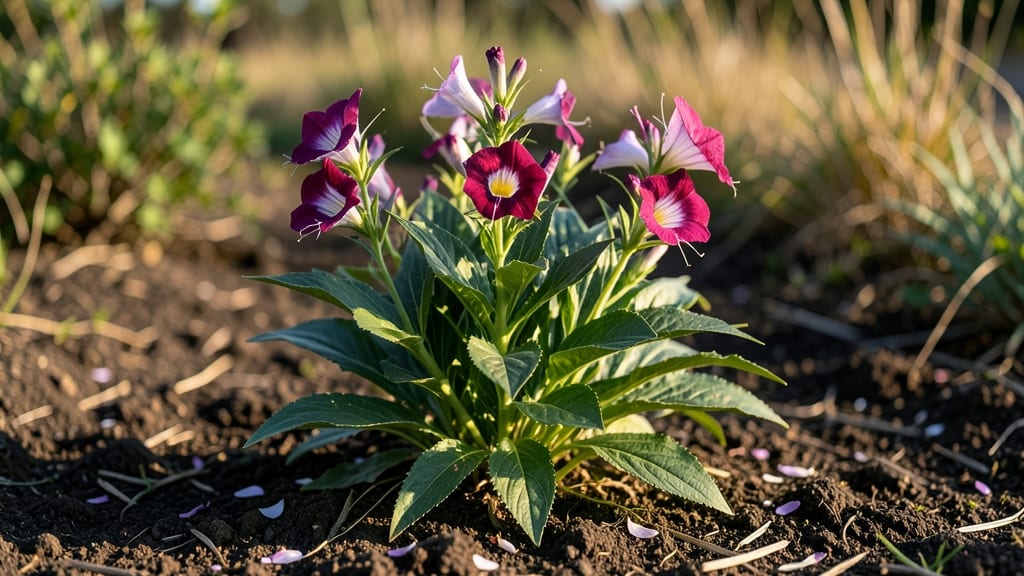
Planting flower seeds at the wrong time in Zone 6 can turn your garden dreams into frost-killed disappointments—but getting the timing right unlocks a season of vibrant blooms 🌸.
The key is understanding when to start seeds indoors versus when to sow directly outside, and how to work with your region's last frost dates.
Spring planting in Zone 6 typically kicks off after your last frost date (usually mid-April to early May), but some flowers like marigolds and zinnias can handle cooler soil.
Meanwhile, fall planting offers a sneaky advantage: sowing cool-season flowers like pansies 6-8 weeks before your first frost ensures early spring blooms next year.
I've learned the hard way that rushing seeds into cold soil or waiting too late for fall planting can mean wasted effort. The good news? With the right timing and a few simple tricks, you can extend your blooming season and enjoy a garden that thrives all year round.
Let me show you exactly when to plant each type of flower seed in Zone 6—whether you're aiming for summer color or winter-hardy surprises. We'll cover soil prep, frost protection, and the best varieties for your climate, so you can finally stop guessing and start growing with confidence.
Optimal spring planting dates for flower seeds in Zone 6
Timing is everything when planting flower seeds in Zone 6, where last frost dates swing from mid-April to early May. I’ve learned the hard way that planting too early—when soil temps hover below 50°F—can leave delicate seeds vulnerable to frost.
Most annuals like marigolds and zinnias thrive when soil reaches 60-65°F, while perennials like black-eyed Susans tolerate slightly cooler soils.
For indoor starts, begin seeds 6-8 weeks before your last frost date—typically late February to early March. This head start ensures seedlings are robust enough for transplanting after the frost danger passes. I use a seedling heat mat to speed up germination for slower starters like snapdragons.
Outdoor sowing should wait until 2-4 weeks after your last frost, when nighttime temps consistently stay above 50°F. Check your local frost-free date (Zone 6 averages 150-200 frost-free days) and mark your calendar.
Pro tip: Use a soil thermometer to confirm readiness—60°F is the magic number for most flowers.
| Plant Type | Ideal Planting Window | Soil Temp Threshold | Zone 6 Example Dates |
|---|---|---|---|
| Annuals (e.g., Petunias, Geraniums) | After last frost | 60-65°F | May 1-15 |
| Perennials (e.g., Coneflowers, Black-Eyed Susans) | Early spring (soil 50°F+) | 50-55°F | April 15-May 1 |
| Heat-Sensitive (e.g., Snapdragons, Cosmos) | Indoor start 6-8 weeks before last frost | 65°F+ for germination | Transplant May 15-June 1 |
| Cold-Hardy (e.g., Sweet Alyssum, Larkspur) | Direct sow 4-6 weeks before last frost | 45-50°F | March 20-April 15 |
Regional variations matter in Zone 6. For example, northern Zone 6a (e.g., Chicago) has later last frosts (May 10), while southern Zone 6b (e.g., Atlanta) can plant by April 15.
I always cross-reference with my local Cooperative Extension Service for hyper-local advice. Microclimates—like sunny south-facing beds—can also push planting dates 1-2 weeks earlier.
Direct sowing vs. transplanting depends on the flower. Cosmos and sunflowers self-seed easily, so I plant them directly in late May after the soil warms. For petunias or impatiens, I start seeds indoors in March to avoid leggy, weak seedlings from late starts.
Prep your soil by mixing in 2-3 inches of compost and a balanced fertilizer (5-10-10) 2 weeks before planting. I swear by mulching with straw to retain moisture and regulate soil temperature—critical for Zone 6’s unpredictable springs.
Watch for false springs, where warm weather lures you into planting early, only for a late frost to strike. I’ve lost entire trays of seedlings to April surprise frosts. Use frost cloth or row covers if nighttime temps dip below 40°F after planting.
Deadhead spent blooms every 2-3 weeks to encourage continuous flowering. For perennials, I mark their locations with biodegradable flags to avoid disturbing roots when replanting next season. My zinnias and marigolds always reward me with non-stop blooms when planted at the right time.
Remember: Zone 6’s short growing season demands precision. Planting too early risks frost damage, while waiting too long cuts bloom time.
Optimal spring planting dates for flower seeds in Zone 6
Spring is the most popular time to plant flower seeds in Zone 6, but timing is everything. The key is waiting until after your last frost date, which typically falls between mid-April and early May in most of Zone 6.
Planting too early risks frost damage, while waiting too long may delay blooms—especially for heat-sensitive varieties like petunias or geraniums.
Soil temperature is your best guide: aim for 50–65°F at least 1 inch deep. Use a soil thermometer to check—most seeds won’t germinate well in cooler soil.
In Zone 6a (colder areas), wait until May 1–15 for outdoor sowing, while Zone 6b (warmer areas) can start as early as April 15–May 1 for frost-tolerant flowers like cosmos or snapdragons.
| Flower Type | Ideal Planting Window | Soil Temp Requirement | Notes |
|---|---|---|---|
| Annuals (e.g., marigolds, zinnias) | Mid-April–May 15 (after last frost) | 55–65°F | Fast-growing; sow directly after frost risk passes. |
| Perennials (e.g., coneflowers, black-eyed Susans) | April 1–May 10 | 50–60°F | Slower to establish; start slightly earlier in milder microclimates. |
| Heat-Sensitive (e.g., petunias, impatiens) | May 1–15 (or start indoors in March) | 60–70°F | Start seeds indoors 6–8 weeks before last frost. |
| Frost-Hardy (e.g., cosmos, snapdragons) | Late March–April 15 | 45–55°F | Tolerate light frosts; ideal for early spring color. |
For heat-loving flowers like sunflowers or lupines, you can push the envelope and plant as late as June 1—just be prepared for smaller blooms if planted after mid-June.
Always check your local USDA Zone 6 sub-region (6a vs. 6b) for hyper-local adjustments, as microclimates near lakes or hillsides can shift frost dates by 1–2 weeks.
Pro tip: If you’re unsure about frost dates, use biodegradable seed starters or row covers to protect young seedlings. These let you plant 2–3 weeks earlier without risking frost damage. Just remove covers when plants are 3–4 inches tall to avoid overheating.
Once seeds are in the ground, maintain consistent moisture (about 1 inch of water per week) and thin seedlings to 12–24 inches apart, depending on the variety. Overcrowding leads to leggy, weak stems and fewer blooms—a common mistake even experienced gardeners make.
With the right timing and care, your Zone 6 flower garden can burst into color from late spring through fall, attracting pollinators and turning heads in your neighborhood. 🌸