
Trees
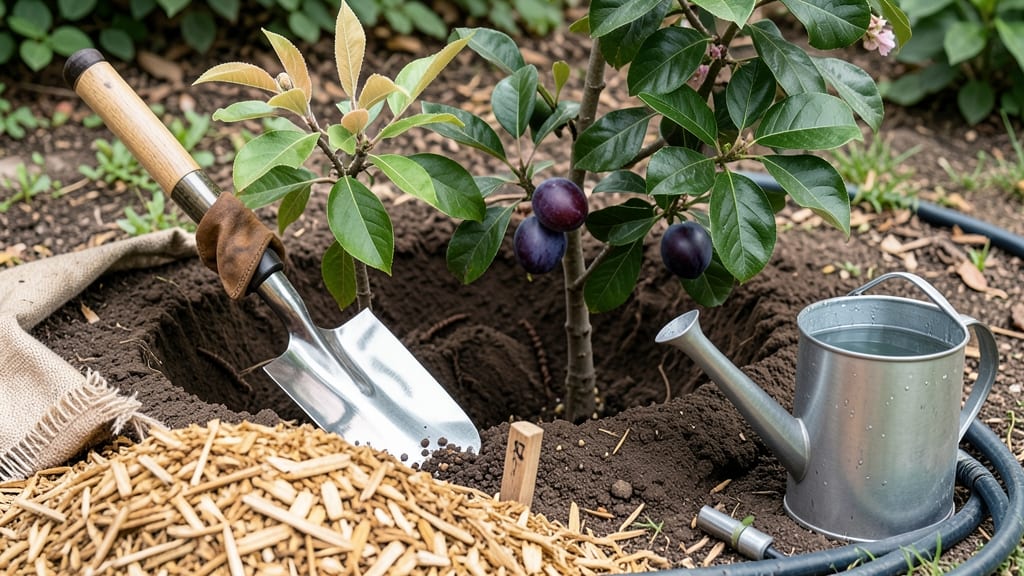
Planting your 🍎 fruit tree at the wrong time in Zone 8 could mean the difference between a thriving orchard and a struggling sapling—so getting the timing right is the key to success.
With mild winters and unpredictable frost dates, Zone 8 offers two prime windows for planting: late winter to early spring or fall. But which one is best for your specific fruit tree?
And how do you prepare the soil to give those roots the best chance to establish before winter sets in?
I’ve researched the ideal planting months for popular varieties like peaches, apples, and citrus, along with soil prep tips that make all the difference. Whether you’re a first-time gardener or a seasoned grower, these insights will help you avoid common mistakes and set your fruit tree up for strong growth.
Let’s dive into the best months to plant, how to prepare your soil, and why timing matters more than you might think for a productive harvest.
Best planting months for fruit trees in Zone 8 by species
Zone 8 offers a longer growing season than colder regions, but frost dates still dictate the best time to plant fruit trees. For most varieties, late winter to early spring (February–March) or fall (October–November) are ideal windows.
Evergreens like citrus and figs thrive with fall planting, while deciduous trees (peaches, apples) prefer spring to avoid winter stress.
Timing depends on whether your fruit tree is dormant or evergreen. Deciduous trees benefit from spring planting when roots can establish before summer heat. Evergreens, however, need fall planting to take advantage of cooler temps and winter rains.
Let’s break down the best months for popular varieties in Zone 8.
🌱
For bare-root trees, plant as soon as you receive them—don’t let roots dry out. Container-grown trees can be planted year-round in Zone 8, but fall or early spring still offer the best conditions.
If you’re unsure about frost dates, check your local USDA Zone 8a or 8b guidelines—some areas may experience earlier frosts than others.
Evergreen fruit trees like citrus and olives are more flexible with timing but still prefer fall planting. These trees hate waterlogged soil in winter, so ensure your site has well-draining soil.
For deciduous trees, spring planting gives roots time to establish before the tree enters dormancy in late fall.
If you miss the ideal window, container planting is a great backup. You can delay outdoor planting until conditions improve, but avoid keeping trees in pots for more than 1–2 years—root-bound trees struggle to thrive once transplanted.
🌿
Pro tip: Mulch heavily after planting to retain moisture and regulate soil temperature. Use 3–4 inches of organic mulch (wood chips or straw) and keep it 6 inches away from the trunk to prevent rot. This is especially critical in Zone 8’s hot summers and mild winters.
Finally, always water deeply after planting—aim for 15–30 gallons per tree to encourage root growth. In Zone 8, irrigation consistency is key, especially during the first year when roots are establishing. Avoid overhead watering to prevent fungal diseases like root rot.
☀️
Best planting months for fruit trees in Zone 8 by species
Zone 8’s mild winters and warm summers create a unique window for planting fruit trees—but timing still matters. Deciduous trees like peaches and apples thrive when planted in late winter to early spring (February-March), while evergreens like citrus and figs prefer fall planting (October-November) to establish roots before summer heat.
The key is avoiding late frosts and giving roots time to settle before extreme weather.
In Zone 8, your last frost date typically falls around March 15, giving you a 6-8 week buffer before planting. For fall planting, aim for 6-8 weeks before your first frost (mid-November).
This timing ensures roots have time to grow without winter stress. Evergreen trees, especially citrus, hate cold snaps, so fall planting gives them a head start in their dormant season.
For deciduous trees, spring planting aligns with natural growth cycles. Your peach tree’s roots will double in size during those first 60 days of warm soil, setting the stage for a heavy fruit load in 2-3 years.
Evergreens, however, hate disturbed roots in summer heat, so fall planting gives them a cool-season advantage before the Zone 8 heat ramps up.
Pro tip: Container-grown trees can be planted year-round in Zone 8, but they still need 6 weeks of recovery time before extreme heat or cold. If you’re planting in late fall (December), choose dwarf varieties—they establish faster and tolerate winter better.
And always water deeply after planting to reduce transplant shock.
Remember, Zone 8’s microclimates can vary wildly. A valley might frost later than a hillside, so check local frost dates (your cooperative extension office has the best data) and adjust your timeline by 1-2 weeks.
The goal? Strong roots before stress—whether that stress is summer heat or winter chill.
🌱