
Planting
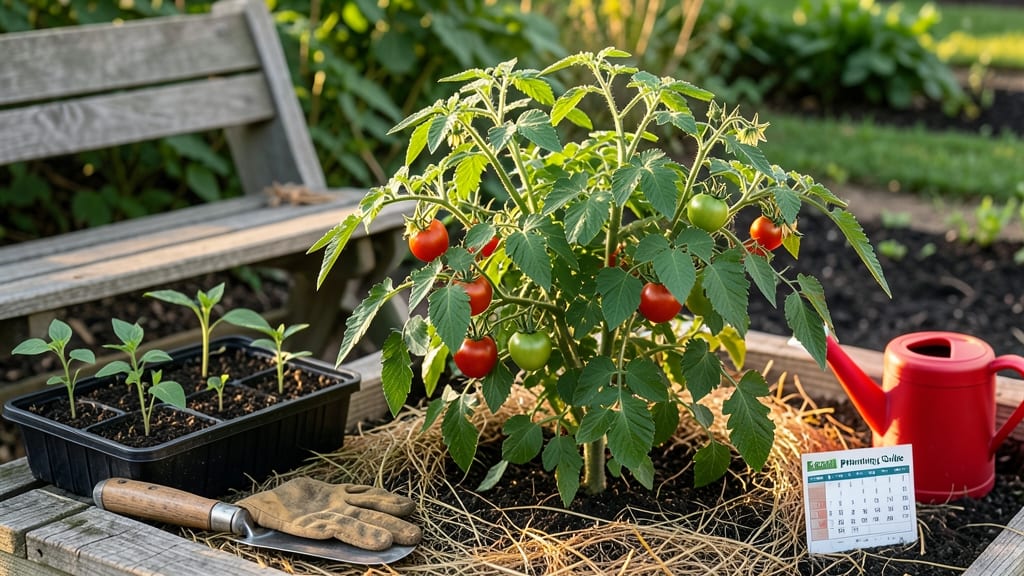
Planting a garden in Florida isn’t just about grabbing seeds and digging in—getting the timing right means the difference between a bountiful harvest and a sad, wilted disappointment.
With its unique climate zones, Florida’s frost-free windows vary wildly from the Panhandle to the Keys, so what works in Tallahassee might fail in Miami.
If you’ve ever wondered why your tomatoes bolted or your lettuce bolted in the heat, the answer lies in understanding Florida’s two main planting seasons. Cool-season crops like broccoli and peas thrive in spring and fall, while heat-loving veggies such as okra and sweet potatoes demand summer’s sweltering embrace.
I’ve spent years testing what works in Florida’s distinct microclimates, and the best time to plant depends on where you’re growing.
Whether you’re in the frost-prone North or the tropical South, this guide breaks down the exact months to start seeds, transplant seedlings, and extend your growing season—so you can enjoy fresh produce year-round.
Ready to skip the guesswork? Let’s dive into the region-specific schedule that’ll have your garden thriving from spring to fall, no matter which corner of Florida you call home.
Florida planting calendar by region: North vs Central vs South
Florida’s diverse climate means your planting schedule should match your region—whether you’re in the Panhandle’s cooler North, Central Florida’s humid heart, or South Florida’s tropical South. The key difference? Frost-free dates and heat intensity.
North Florida can see light frosts as late as mid-March, while South Florida rarely dips below 40°F. Let’s break down the best months for planting in each zone.
For North Florida (Panhandle), your last frost typically occurs around March 15, but wait until April 1 to plant warm-season crops. Central Florida’s frost-free window starts 2-3 weeks earlier, while South Florida’s year-round growing potential lets you plant almost anytime—with summer’s heat being the limiting factor.
Always check your local USDA Zone (8a-11) for precision.
Here’s how to align your planting with Florida’s three main regions for vegetables, flowers, and herbs. The table below shows ideal months, temperature thresholds, and top crops for each zone.
| Region | Last Frost Date | Best Planting Months | Top Crops | Temperature Threshold |
|---|---|---|---|---|
| North Florida (Panhandle) | March 15 | April–May (warm-season) Sept–Oct (cool-season) |
Tomatoes, Peppers, Okra, Sweet Potatoes | Soil: 65°F+ Air: 70°F+ |
| Central Florida | February 15 | March–April (warm) Aug–Sept (cool) |
Cucumbers, Eggplant, Lettuce, Green Beans | Soil: 60°F+ Air: 65°F+ |
| South Florida | Never (Zone 10-11) | Year-round (avoid June–Aug heat) | Okra, Sweet Corn, Basil, Herbs | Soil: 70°F+ Air: 80°F+ |
Notice how North Florida’s cool season extends into October, while South Florida’s summer heat (June–August) forces gardeners to focus on shade-tolerant crops like okra or sweet potatoes. In Central Florida, you’ll have two peak planting windows: spring and fall.
For example, tomatoes thrive when planted in April (North) or March (Central/South), but avoid summer planting—they’ll bolt or develop sunscald.
Pro tip: Use Florida’s 10/10/10 rule for warm-season crops—wait until soil temps hit 65°F+ and air temps stay above 70°F for 10 consecutive days. Check soil temps with a thermometer or use the back-of-hand test: if it feels warm to touch, it’s ready!
For cool-season crops like lettuce or broccoli, aim for September–October in North Florida or August–September in Central/South. These plants bolt (go to seed) when days get too long or hot. Use shade cloth (30–50%) to protect them during Florida’s intense summer sun.
Regional nuances matter: Coastal areas (like Miami) stay warmer longer, while inland zones (like Orlando) can have cooler nights. Adjust your schedule by 1–2 weeks based on your microclimate. For instance, Gainesville’s high altitude may need earlier cool-season planting than Tampa’s coastal warmth.
Don’t forget Florida-friendly natives like shrimp plant (Pachypodium) or firebush (Hamelia), which thrive year-round with minimal fuss. They’re perfect for low-maintenance gardens in any region. Pair them with edible crops for a diverse, resilient landscape.
For real-time updates, consult the UF/IFAS Extension or your local County Extension Office. They provide hyperlocal frost alerts and pest advisories. My personal trick? Bookmark the Florida Climate Center for weekly temperature maps—it’s a game-changer for planning.
Now that you’ve got the regional breakdown, let’s dive into the best vegetables for Florida’s two main seasons—and how to maximize your harvest with succession planting. Stay tuned!
Best vegetables to plant in Florida’s two main seasons
Florida’s climate divides gardening into two clear seasons: cool-season (fall through early spring) and warm-season (late spring through summer). Planting the wrong crop in the wrong season can lead to stunted growth or even crop failure.
For example, tomatoes and peppers thrive in summer’s heat, while broccoli and carrots prefer cooler temperatures.
Understanding these seasons helps you maximize your harvest. In cool-season months (September–March), focus on leafy greens and root vegetables that tolerate lower temperatures. Meanwhile, warm-season crops (April–August) need consistent heat to produce fruit or mature properly.
Here’s how to match your planting schedule to Florida’s seasonal rhythms for a year-round bounty:
🌱 Cool-Season Vegetables (Fall–Spring)
- Leafy Greens: Lettuce, spinach, kale (plant September–November and January–February)
- Root Vegetables: Carrots, radishes, beets (sow October–March for best flavor)
- Brassicas: Broccoli, cabbage, cauliflower (transplant September–October and January–February)
- Onions & Garlic: Plant November–December for spring harvest
☀️ Warm-Season Vegetables (Spring–Summer)
- Fruiting Plants: Tomatoes, peppers, eggplants (transplant March–April after last frost)
- Southern Staples: Okra, sweet potatoes, black-eyed peas (plant April–June)
- Herbs: Basil, cilantro, rosemary (sow March–May and July–August)
- Corn & Squash: Plant April–May for summer harvests
💡 Pro Tip:
Use succession planting—sow small batches every 2–3 weeks—to extend harvests. For example, plant radishes every 10 days in fall for continuous harvests.
Florida’s heat can be intense, so warm-season crops like tomatoes benefit from shade cloth during peak summer months. Meanwhile, cool-season greens may bolt (flower prematurely) if temperatures rise above 80°F, so use row covers or plant in partial shade.
Don’t forget about Florida-friendly natives like yam beans or Malabar spinach, which thrive in summer’s humidity without needing extra care. These adaptable plants are perfect for extending your garden’s productivity year-round.