
Planting
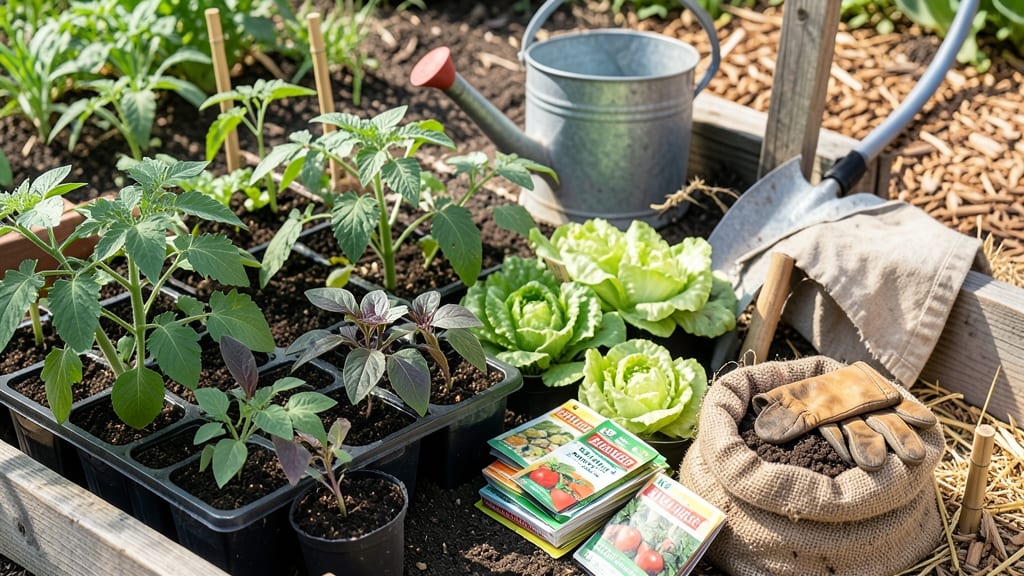
Knowing when to plant a vegetable garden in NC can make the difference between a thriving harvest and lost seeds to frost. The state’s varied climate—from coastal breezes to mountain chill—means what works in Raleigh might fail in Asheville.
Let’s break down the exact frost-free windows for each region so you can plant with confidence, whether you’re sowing leafy greens in spring or tomatoes in summer.
Most NC gardeners know that spring is the prime planting season, but the real key lies in knowing your last frost date. Coastal areas like Wilmington can start earlier, while the Piedmont and Mountains wait until after mid-April.
I’ll show you how to adjust for your specific zone, plus which vegetables thrive in each microclimate—because not all greens or root crops play nice with NC’s humidity or heat spikes.
You might assume that planting in May is safe for everything, but that’s where many gardeners go wrong. Warm-season crops like peppers and squash need soil temps above 60°F, while cool-season favorites like broccoli and carrots bolt in summer’s heat.
I’ll give you a month-by-month guide to avoid common pitfalls, including how to stretch your growing season with row covers or cold frames for those chilly mountain valleys.
Ready to grow more with less guesswork? By the end, you’ll know not just when to plant your vegetable garden in NC, but also how to protect your crops from pests and weather shifts. Let’s get those seeds in the ground at the perfect moment.
NC planting zones & frost-free dates by region (2024 guide)
North Carolina stretches across five distinct USDA planting zones, each with unique frost patterns that dictate your vegetable garden's success. The Coastal Plain enjoys milder winters, while the Mountains face earlier frosts—sometimes 3-4 weeks sooner than Raleigh. Understanding these regional differences helps you avoid frost damage and maximize harvests.
For 2024, I’ve compiled average last frost dates based on 30-year climate data, with adjustments for urban "heat islands" that can delay frost by 5-10 days. Rural areas, especially in the Piedmont, often see frosts 2-3 days earlier than cities.
Always check your local microclimate—a valley in the Mountains might frost before nearby ridges.
Here’s how to use this guide: Find your region below, then match your vegetable varieties to their ideal planting windows. For example, tomatoes in the Coastal Plain can go in late March, but wait until mid-April in the Mountains.
The table includes frost-free day counts—critical for warm-season crops like peppers and squash.
| Region | USDA Zone | Avg. Last Frost | Avg. First Frost | Frost-Free Days | Microclimate Note |
|---|---|---|---|---|---|
| Coastal Plain | 8a-8b | March 15 | November 15 | 245 days | Humidity delays frost; plant warm crops earlier |
| Piedmont | 7a-7b | April 1 | October 31 | 213 days | Urban areas frost 5-10 days later |
| Mountains | 6a-6b | April 15 | October 15 | 184 days | High elevations frost earlier; valleys colder |
Pro tip: Use row covers to extend your Coastal Plain season by 2-3 weeks in fall, or plant cold-hardy greens like kale and spinach in the Mountains as early as February.
For precise timing, I recommend tracking local frost alerts via the NC State Climate Office or apps like Frost Date Finder.
Warm-season crops (like tomatoes and peppers) need 70-80 frost-free days to mature. In the Mountains, this means waiting until mid-May for transplants. Meanwhile, cool-season crops such as broccoli and carrots thrive when soil temps hit 40°F—ideal for March planting in the Piedmont.
Don’t overlook fall planting! The Coastal Plain can support winter squash and turnips until mid-October, while the Mountains should finish by September 15. Use black plastic mulch
Best vegetable planting calendar for NC: cool vs. warm season crops
North Carolina’s planting calendar isn’t one-size-fits-all—your cool-season crops like spinach and warm-season favorites like peppers each have ideal windows. I’ve broken down the best months for each, adjusted for NC’s 5 distinct microclimates, so you can avoid bolting greens or stunted tomatoes.
For example, coastal areas can start leafy greens as early as February, while mountain gardeners wait until late April.
Most NC gardeners focus on spring planting, but don’t overlook fall crops. In the Piedmont, you can sow broccoli and carrots as late as August for a harvest before the first frost.
Meanwhile, tomatoes and peppers thrive when planted after soil warms to 60°F, typically mid-April to May in most regions. I’ll show you how to time these perfectly.
Here’s the month-by-month breakdown for NC’s most popular vegetables, including regional adjustments:
📅 NC Vegetable Planting Calendar
Pro tip: Use NC-specific varieties like 'Cherokee Purple' tomatoes (heat-tolerant) or 'Crimson Crush' sweet potatoes (drought-resistant). These thrive in NC’s humidity and heat spikes better than standard varieties. For example, 'Celebrity' tomatoes are a safe bet for beginners—they handle NC’s summer heat without cracking.
Succession planting is your secret weapon for continuous harvests. Instead of planting all your bush beans at once, sow a new row every 2 weeks from June to August.
This ensures you’re never without fresh pods, even as summer winds down. I’ve seen gardeners in the Piedmont extend their harvest by 4-6 weeks using this method.
Don’t forget to adjust for microclimates. A south-facing slope warms up faster than a shady corner, so you might plant tomatoes 2 weeks earlier in sunny spots. Keep a garden journal to track what works best in your yard—your notes will become your most valuable tool over time.
Ready to dive deeper? Next, I’ll show you how to extend NC’s growing season with row covers and cold frames, so you can grow even more without worrying about frost or heat stress.