
Plants
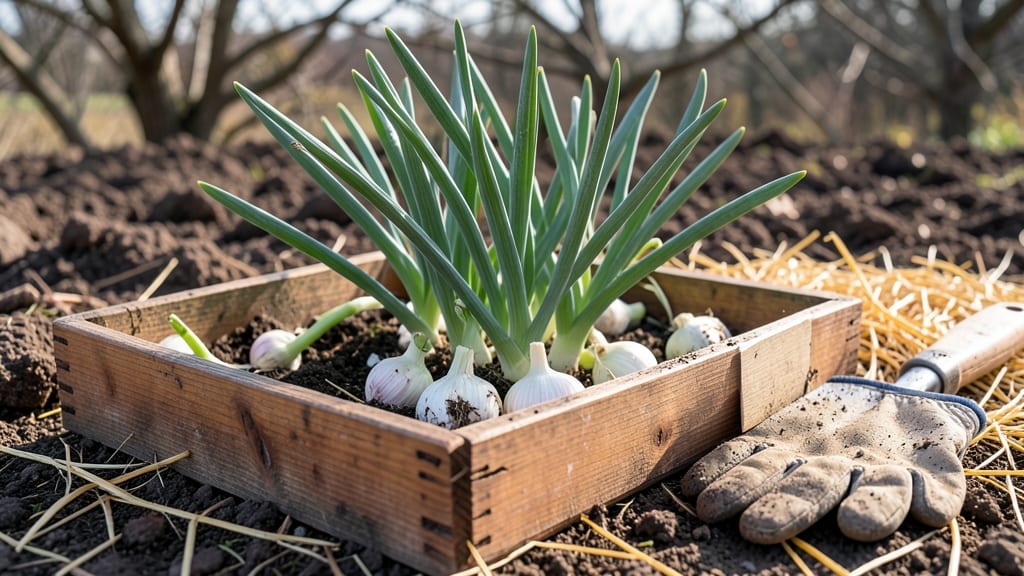
Planting garlic in Pennsylvania at the wrong time can turn your 🧄 hardneck bulbs into a flop before they even sprout. Unlike spring-planted varieties, hardneck garlic needs a cold snap to develop properly—and missing that window means smaller cloves or no harvest at all.
Here’s the secret: Pennsylvania’s USDA zones 5b-7a demand precise timing. You’ve got just 4-6 weeks before the ground freezes to get those cloves in the soil. Too early, and they’ll rot; too late, and they won’t root before winter sets in.
Let’s break down the exact dates that work for your corner of the Keystone State.
Why does this matter? Because hardneck garlic—the kind with those prized hardneck scapes—relies on cold temperatures to form bulbs. Skip the fall window, and you’ll end up with softneck varieties that just don’t perform as well in our climate.
I’ll show you how to nail the timing, even if your October brings early snow or unseasonably warm spells.
Ready to grow garlic that’s bigger, stronger, and ready by July? Let’s dive into the best months to plant, how to adjust for your specific zone, and the one mistake that ruins more gardens than you’d think. Your future garlic feasts depend on it.
Best fall planting dates for garlic in Pennsylvania’s climate zones
Pennsylvania’s USDA Zones 5b-7a create a 6-week window for planting hardneck garlic—typically between mid-October and mid-November. This timing ensures cloves establish roots before winter dormancy, while avoiding frost damage from early freezes.
In Zone 5b (e.g., Pittsburgh), aim for October 15–November 1, while Zone 7a (e.g., Philadelphia) can extend until November 15.
The key is planting 4–6 weeks before the ground freezes. Use your last average frost date (Zone 5b: ~April 15; Zone 7a: ~April 20) as a backward countdown. For example, if your soil freezes around November 20, plant by October 20 to allow root development before dormancy.
Soil temperatures should be 40–50°F at planting time for optimal success.
Regional variations matter! Western PA (e.g., Erie) often has earlier frosts than Eastern PA (e.g., Allentown), so adjust accordingly. Check local microclimates—valleys freeze faster than hilltops. For precision, use a soil thermometer to confirm temperatures before planting.
Here’s your Pennsylvania garlic planting calendar by zone, including critical deadlines and soil prep tips:
Pro tip: If you miss the fall window, plant in early spring (March) as a backup, but expect smaller bulbs. Spring-planted garlic lacks the cold stratification needed for full flavor and size. For best results, stick to fall planting and use the calendar above as your guide.
Choose a sunny, well-draining spot with at least 6 hours of sunlight daily. Garlic hates soggy soil, so avoid low-lying areas where water pools. Amend your soil with aged compost or well-rotted manure before planting to improve drainage and fertility.
A pH test (ideal range: 6.0–7.0) will help you adjust lime or sulfur as needed.
Break garlic bulbs into individual cloves (keep the papery skin intact) and plant them 2 inches deep, 4–6 inches apart, with the pointed end up. Space rows 12 inches apart to allow for airflow and bulb expansion.
Mulch with 2–3 inches of straw or leaves after planting to insulate cloves from temperature swings and suppress weeds.
After planting, water lightly to settle the soil, but avoid overwatering—garlic roots need oxygen, not soggy conditions. Once established, reduce watering to once every 10–14 days (or less in winter) unless you experience a prolonged dry spell.
Overwatering in winter can lead to rot or heaving, so prioritize drainage.
Monitor your garden for early spring green-up (typically March–April). This confirms successful root establishment over winter. If you see green shoots before snowmelt, your garlic is off to a great start!
For maximum bulb size, fertilize lightly with a high-phosphorus fertilizer (e.g., 5-10-10) in early June when scapes begin to form.
🌱
Best fall planting dates for garlic in Pennsylvania’s climate zones
Pennsylvania’s USDA zones 5b-7a create a 6-week window for planting hardneck garlic—critical for bulb development. The goal? Plant 4-6 weeks before ground freezes, typically between mid-October and early November.
In zone 5b (e.g., Pittsburgh), aim for October 15-31, while zone 7a (e.g., Philadelphia) can extend until November 10.
Soil temperature is your best guide: garlic needs 40-50°F soil to establish roots before winter. Use a soil thermometer to confirm—if temps drop below 32°F, roots may freeze.
In early frost years, delay planting until November; in late frost years, plant by October 15 to avoid stunted growth.
| USDA Zone | Ideal Planting Window | Soil Temp Goal | First Frost Date |
|---|---|---|---|
| 5b (Pittsburgh) | October 15–31 | 45–50°F | October 15 |
| 6a (Harrisburg) | October 20–November 5 | 40–45°F | October 10 |
| 7a (Philadelphia) | October 25–November 10 | 40–45°F | October 20 |
Regional microclimates matter! Mountainous areas (e.g., State College) freeze earlier—plant by October 1—while urban heat islands (e.g., Allentown) may allow late-November planting. Check your local coop extension for precise frost data, or use the Old Farmer’s Almanac app for real-time alerts.
Missed the window? Don’t panic. Early spring planting (March) works for hardneck garlic, though yields may be 20-30% smaller. Prioritize well-draining soil and full sun to compensate. For best results, though, stick to fall—it’s when garlic’s vernalization process (cold requirement) kicks in for optimal bulb formation.
Pro tip: Label your rows with planting dates! This helps track which cloves need extra winter mulch (e.g., straw or leaves) if late frosts hit. Mulch 2-3 inches deep after planting to insulate roots without suffocating them.
Remember: Garlic planted in fall = bigger bulbs. Spring planting is a backup, not a preference. With Pennsylvania’s variable winters, flexibility is key—but timing remains your #1 tool for success. 🧄