
Plants
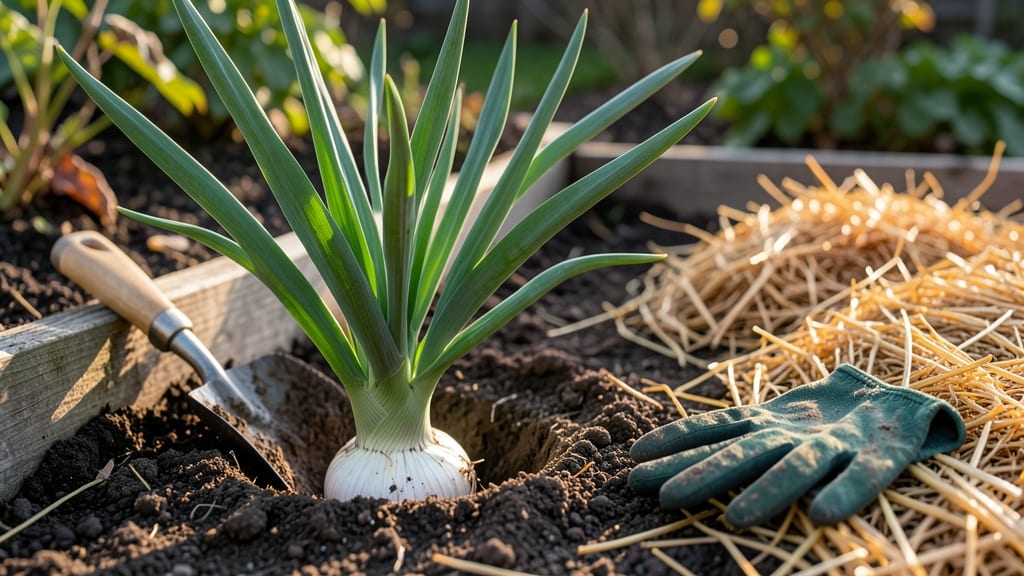
Planting garlic in South Dakota isn't just about timing—it's about outsmarting the 4a-5b winters to grow plump, flavorful bulbs. The key? Getting those cloves in the ground 4-6 weeks before frost, usually between mid-October and November, when the soil cools but hasn't frozen solid.
Why does timing matter so much here? South Dakota’s short growing season and freeze-thaw cycles mean garlic needs a strong start before winter dormancy. Hardneck varieties, like the popular ‘German White,’ thrive in these conditions, but even they’ll struggle if planted too early or late.
The right window ensures your 🧄 develops properly underground while avoiding the dreaded "heaving" that lifts bulbs out of the soil.
I’ve learned the hard way that rushing garlic into cold soil or waiting too long can turn a promising crop into a flop. But with the proper schedule—paired with proper soil prep and mulching—you’ll harvest robust bulbs ready for summer cooking.
Let’s break down exactly when and how to plant for your specific zone.
Whether you’re a first-time gardener or a seasoned grower, mastering this fall ritual will pay off next summer. The secret isn’t just patience—it’s knowing exactly when to act. Ready to get started?
Best planting months for garlic in South Dakota’s climate zones
South Dakota’s USDA zones 4a-5b create a unique challenge for garlic growers—timing is everything. Unlike warmer climates, garlic in SD needs cold stratification to develop flavorful bulbs, but planting too early risks winter heaving.
The sweet spot? Mid-October to mid-November, when soil temps drop below 50°F (10°C) but before hard freezes lock the ground.
Hardneck varieties—like ‘German White’ and ‘Music’—are your best bet in SD. These cold-hardy types thrive in freezing temps and produce flavorful scapes in summer. Softnecks, while popular elsewhere, struggle with SD’s harsh winters and inconsistent results.
For best bulb size, aim to plant 6-8 weeks before the first hard frost, typically by November 1st in most regions.
Here’s how to adjust your planting window based on your specific USDA zone:
Pro tip: Use a soil thermometer to confirm soil temps. Garlic cloves need to experience 40-50°F (4-10°C) soil temps for 4-6 weeks to trigger bulb formation. In zone 4a, this often means planting by October 1st, while zone 5b growers can wait until November 1st.
If you’re in western SD, where winters are drier, prioritize well-draining soil to prevent rot. Add compost or aged manure before planting to improve moisture retention. In eastern SD, where winters are wetter, raise beds slightly to avoid waterlogging during spring thaws.
Remember: Garlic planted in September may sprout too early and get damaged by early frosts. Conversely, planting in December risks cloves not getting enough cold stratification, leading to smaller bulbs. Aim for that 6-8 week window before the ground freezes solid.
For container gardening in SD, use black plastic pots (they absorb heat) and plant by mid-October. Move pots to a protected location (like a garage) if temps drop below 20°F (-7°C) for extended periods.
Finally, mark your planting date on a calendar and note the last frost date for your area. This helps you estimate your harvest window—typically July 15th to August 15th in SD—when bulbs reach maturity.
With the right timing, your garlic will emerge in spring with vibrant green shoots and grow into plump, flavorful bulbs ready for harvest. The key? Plant early, mulch well, and let winter do the work for you. 🌱
How to time garlic planting for South Dakota’s freeze-thaw cycles
South Dakota’s unpredictable freeze-thaw cycles can make garlic planting tricky—plant too early, and cloves may heave out of the soil. Plant too late, and bulbs won’t mature before summer’s heat. The key is strategic timing to ensure garlic establishes roots before winter sets in.
Most gardeners in USDA zones 4a-5b aim to plant garlic 4-6 weeks before the first hard frost. This window typically falls between mid-October and early November, but always check your local frost date forecast for precision.
For example, in Pierre (Zone 4b), planting in late October gives garlic enough time to root before November’s deep freezes. Meanwhile, in Sioux Falls (Zone 5a), early November works better to avoid early frosts that can damage tender shoots.
Avoid These Timing Mistakes
- Planting too early: Cloves may sprout and get killed by frost.
- Planting too late: Garlic won’t establish roots before winter.
- Ignoring soil temps: Soil should be 40-50°F at planting.
To protect your garlic from winter heaving, use 4-6 inches of mulch (straw or leaves work well) after planting. This insulating layer helps regulate soil temps and prevents cloves from being pushed out by freezing and thawing cycles.
If you’re in an area with early or late frosts, consider planting in early October as a backup. Just be prepared to cover plants with row fabric or blankets during unexpected cold snaps. This extra protection can make the difference between a failed crop and a bountiful harvest.
Finally, always test your soil’s drainage before planting. Garlic hates soggy conditions, and South Dakota’s clay-heavy soils in some areas can trap moisture. Amend with compost or sand if needed to ensure cloves get the well-draining environment they need to thrive.