
Plants
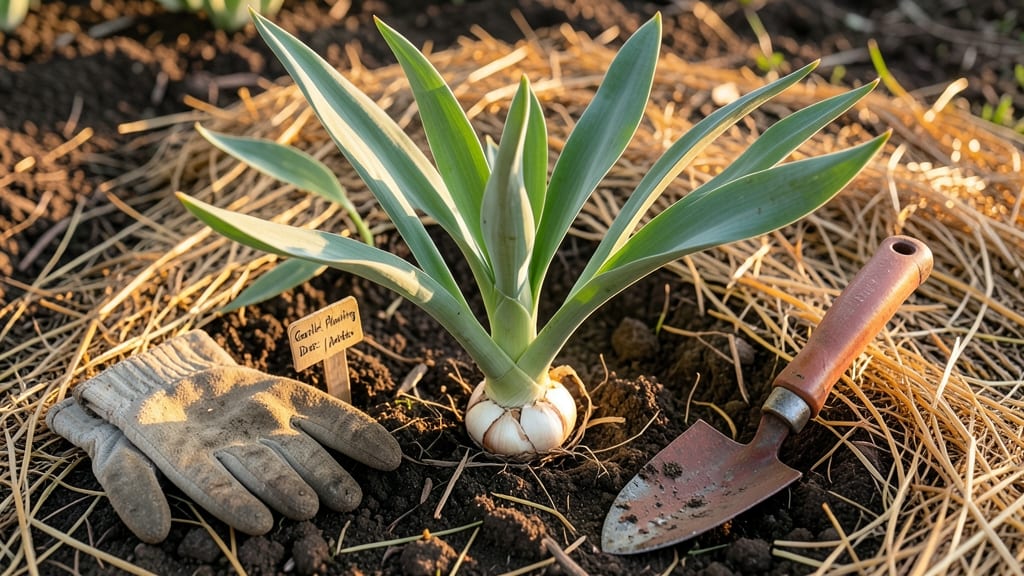
Planting garlic in Tucson at the wrong time can leave you with stunted bulbs—or worse, no harvest at all. The key to growing plump, flavorful 🧄 in this desert climate isn't just about soil or water; it's about timing your fall planting just right.
Most gardeners in USDA Zone 9b assume garlic can be planted anytime in fall, but Tucson's unpredictable microclimates mean a 2-week window in mid-October makes all the difference. Too early, and your cloves rot; too late, and they bolt before forming proper bulbs.
I've learned the hard way that Tucson's high desert conditions demand precision. Whether you're in the low desert or the cooler Catalina Foothills, the right timing ensures your garlic gets the cold it needs to develop strong roots before summer heat arrives.
In this guide, I'll break down exactly when to plant, how to adjust for Tucson's unique growing zones, and the simple steps to maximize your harvest. Let's get those cloves in the ground the right way.
Best planting window for hardneck garlic in Tucson’s desert climate
Tucson’s USDA Zone 9b climate creates a narrow but perfect window for growing hardneck garlic. Unlike cooler regions, we can’t plant in early fall—our soils stay too warm.
The ideal time is mid-October through early November, when soil temperatures drop below 70°F but before first frost risks (rare but possible after December 1).
This timing ensures garlic bulbs form properly before Tucson’s spring heat spike. Planting too early (September) risks bolting, while waiting until December often results in stunted growth. For a second harvest, January-February plantings work too, though yields may be smaller.
Tucson’s microclimates matter—low desert areas (like Tortolita) can handle slightly later plantings, while higher elevations (like Catalina Foothills) need earlier timing. Always check your local last frost date (typically mid-January) as a backup.
| Planting Window | Soil Temp | Frost Risk | Best Varieties |
|---|---|---|---|
| Mid-October - Early November | 60-70°F | Low (after Dec 1) | German Red, Polish White |
| January - Early February | 55-65°F | None (spring harvest) | Silverskin, Artichoke |
For Tucson gardeners, hardneck varieties like German Red and Polish White thrive in our climate. These types produce scape shoots (useful for cooking!) and larger bulbs. Avoid softneck varieties—they struggle with our hot summers and don’t store as well.
Pro tip: Use organic matter like compost to improve Tucson’s clay-heavy soils. Aim for 3-4 inches of organic material mixed into the top 6 inches of soil before planting. This helps retain moisture during our dry winters and prevents bolting from heat stress.
If you miss the October window, don’t panic! January plantings still work, though harvest will be 2-3 weeks later. The key is ensuring garlic gets consistent moisture and 6+ hours of sun daily—both critical in Tucson’s variable climate.
Remember: Garlic needs cold dormancy (4-6 weeks below 60°F) to form bulbs. Tucson’s mild winters mean we’re always pushing the limits—so plant early in the window and mulch heavily to protect roots from temperature swings.
For extra insurance, monitor your garden’s soil temperature with a probe. Ideal planting temps are 50-60°F. If your soil runs warmer, wait another week or two before planting.
Finally, mark your calendar for April-June harvest. That’s when Tucson’s spring rains taper off, and bulbs reach peak size. With the right timing, you’ll enjoy homegrown garlic that’s sweeter and more robust than store-bought varieties.
Best planting window for hardneck garlic in Tucson’s desert climate
Tucson’s USDA Zone 9b climate creates a unique challenge for garlic growers—plant too early, and your cloves may sprout prematurely in the heat. Too late, and they won’t establish roots before winter dormancy.
The ideal window is mid-October through early November, when soil temperatures drop below 70°F but haven’t yet hit frost risk.
Hardneck varieties like ‘German White’ or ‘Music’ thrive here because they need cold vernalization to form bulbs. Tucson’s rare but possible late frosts (January 15) won’t harm established plants, but young cloves planted after November risk stunted growth from early heat spikes in March.
For a spring harvest, you can also plant in January-February, but yields may be smaller. This second window works best in higher elevations (e.g., Catalina Foothills), where cooler temps delay soil warming.
| Planting Window | Soil Temp | Best Varieties | Harvest Month |
|---|---|---|---|
| Mid-October - Early November | 60-70°F | German White, Music, Rocambole | May-June |
| January-February | 50-60°F | Silverskin (softer neck) | April-May |
Pro tip: Use a soil thermometer to confirm temps—garlic roots need 50-60°F soil to establish before winter. If your soil stays above 75°F in October, wait until late November to avoid heat stress.
For low-desert Tucson (e.g., near Tumamoc Hill), aim for October 15-30. Higher elevations (e.g., 3,000+ ft) can plant 2 weeks earlier due to cooler nights.
Always choose large, firm cloves from organic sources—they’ll produce bigger bulbs. Store them in a cool, dark place until planting day to prevent sprouting.