
Plants
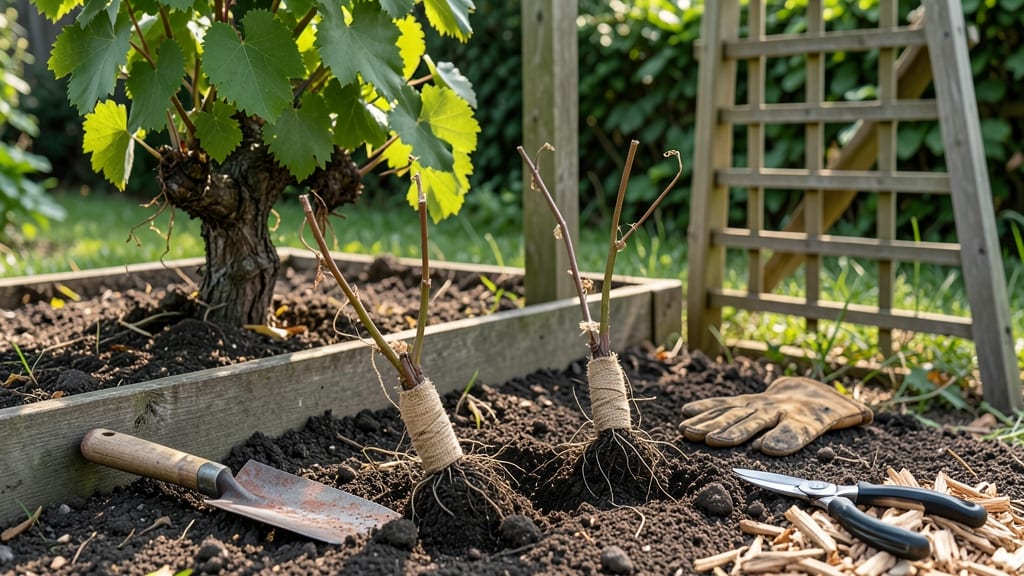
Planting grapes in Georgia at the wrong time could mean frost-damaged vines or stunted growth—so getting the timing right is everything. With 7b-8b USDA zones and a climate that ranges from coastal warmth to mountain chill, knowing when to plant your 🍇 vines makes all the difference.
Most Georgia gardeners swear by late winter to early spring planting, but the exact window depends on your region. Coastal areas like Savannah can start as early as February, while higher elevations in the Appalachians should wait until March.
The key is avoiding late frosts that can wipe out tender new growth.
I’ll break down the best months for each zone, including how to tell when soil temperatures are just right for root establishment. You’ll also discover how to adjust for container-grown vines versus bare-root plants—and why some varieties thrive with a head start.
Ready to set your grapevines up for a bountiful harvest? Let’s dive into the perfect planting schedule for your Georgia garden, so you can enjoy homegrown fruit from late summer through fall.
Best months to plant grapes in Georgia by USDA Zone (7a-8b)
Georgia’s USDA zones 7a-8b offer perfect conditions for growing grapes, but the right planting window depends on your specific zone and vine type. Whether you’re planting bare-root vines or container-grown grapes, timing is critical to avoid frost damage and ensure strong root establishment.
In Zone 7a (mountain regions like Blue Ridge), the last frost typically occurs around mid-April, so I recommend planting bare-root vines in February or container-grown grapes in early March. This gives roots time to establish before warmer weather arrives.
For Zone 7b (Piedmont region), which includes Athens and Macon, you have a slightly longer window. Plant bare-root vines in late February or container-grown grapes in March. This zone experiences milder winters but still faces occasional late frosts.
In Zone 8a (coastal areas like Savannah), where winters are mild, you can plant bare-root vines as late as March or container-grown grapes in early April. The soil temperature should be at least 50°F for optimal root growth.
| USDA Zone | Best Planting Month | Soil Temp Threshold | Frost Risk | Vine Type |
|---|---|---|---|---|
| 7a (Mountains) | February (bare-root) Early March (container) |
50°F+ | High (late frost) | Bare-root, Container |
| 7b (Piedmont) | Late February (bare-root) March (container) |
50°F+ | Moderate | Bare-root, Container |
| 8a (Coastal) | March (bare-root) Early April (container) |
55°F+ | Low | Bare-root, Container |
If you’re planting bare-root vines, do it as soon as the soil is workable—typically 4-6 weeks before your last frost date. For container-grown grapes, you can wait until late winter or early spring when roots are actively growing.
In all zones, avoid planting in summer because the heat can stress young vines. Instead, focus on soil preparation—amend your soil with compost and organic matter—to create the ideal growing conditions for your new grapevines.
One key tip: Monitor soil moisture after planting. Young grapevines need consistent watering to establish roots, especially in Georgia’s hot, dry summers. Mulch around the base to retain moisture and regulate soil temperature.
For Zone 7a gardeners, consider using row covers or frost cloth if planting in early spring to protect tender new growth. In Zone 8a, where winters are milder, you can extend your planting window slightly later without risking frost damage.
Remember, grapes thrive in well-draining soil with full sun exposure. Choose a location with at least 6-8 hours of sunlight daily and prepare the soil by testing its pH (ideal: 6.0-7.0). Amend with sand or perlite if drainage is poor.
By following these zone-specific guidelines, you’ll give your grapevines the best start possible—leading to healthier vines and better fruit production in the years to come. 🍇
Best months to plant grapes in Georgia by USDA Zone (7a-8b)
Georgia’s USDA zones 7a-8b offer ideal conditions for growing grapes, but the perfect planting window depends on your specific zone and vine type. For bare-root vines, aim for late winter to early spring when soil temperatures rise above 50°F (10°C).
Container-grown vines can be planted slightly later, up to April, as they adapt faster to warmer soil.
In Zone 7a (mountain regions like Blue Ridge), plant between mid-February and March to avoid late spring frosts. Zone 7b (Piedmont) gardeners should plant from late February to early April, while Zone 8a-8b (coastal areas) can extend planting until mid-April.
Always check your local last frost date—typically mid-March for most of Georgia.
Timing matters because grapes need 6-8 weeks of warm soil before bud break. Planting too early risks frost damage, while late planting delays root establishment, reducing first-year growth. For container-grown vines, you have a 2-3 week flexibility compared to bare-root varieties.
| USDA Zone | Best Planting Months | Soil Temp Threshold | Key Consideration |
|---|---|---|---|
| 7a (Mountains) | Mid-February to March | 50-55°F (10-13°C) | High frost risk; use frost cloth |
| 7b (Piedmont) | Late February to Early April | 55-60°F (13-16°C) | Moderate frost risk; monitor forecasts |
| 8a-8b (Coastal) | March to Mid-April | 60-65°F (16-18°C) | Low frost risk; prioritize well-draining soil |
For container-grown grapes, you can push planting into early May in Zones 8a-8b, but ensure the container has drainage holes and use potting mix with perlite.
Bare-root vines, however, should never be planted after April 15th in any Georgia zone, as their roots struggle to establish before summer heat arrives.
Pro tip: Test your soil’s moisture content before planting—grapes hate soggy roots. Amend heavy clay soil with compost or sand to improve drainage. In Zone 7a, consider using a black plastic mulch to warm the soil faster in early spring plantings.
Always plant grapes on a slightly elevated mound (6-12 inches high) to prevent waterlogging. This simple trick can double your success rate in Georgia’s variable rainfall patterns. After planting, water deeply to settle the soil and encourage root growth.