
Companion Plants
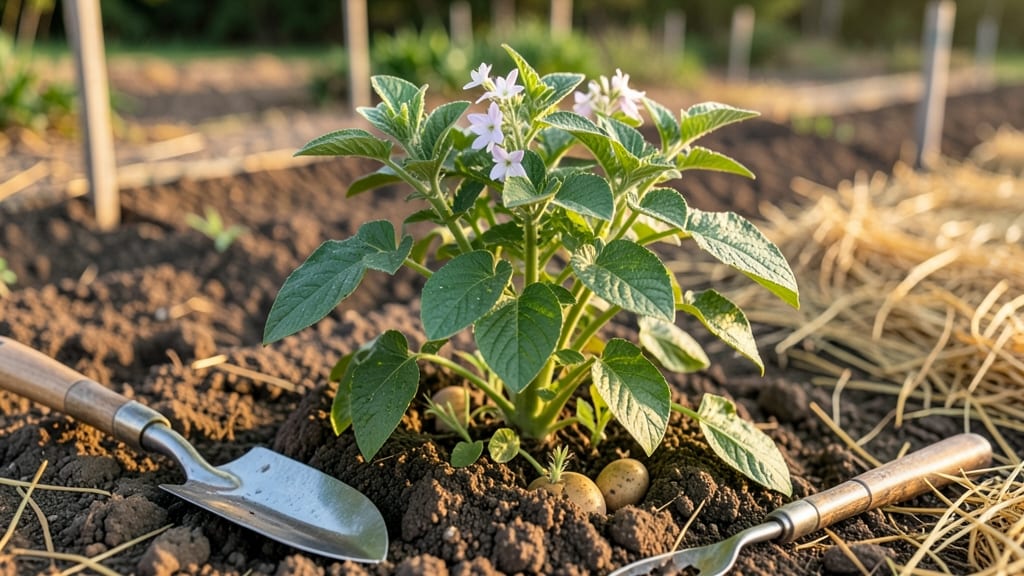
When can I plant potatoes in Zone 7? Timing is the secret to avoiding frost damage and unlocking a harvest of crisp, flavorful 🥔—but get it wrong, and you might end up with nothing but dirt. The ideal window starts as early as late January for seed potatoes or early March for transplants, depending on your variety and local frost dates.
Most gardeners in Zone 7 wait until after the last frost (around March 15), but early planting gives you a jump on the season. The key is soil temperature—wait until it warms to at least 45°F—and choosing the right variety for your harvest goals.
Whether you're growing Yukon Golds for creamy texture or Fingerlings for their earthy bite, knowing when to plant ensures you avoid the dreaded "frost bite" on tender sprouts. I’ll break down the exact frost-free timeline by variety type and share pro tips for soil prep that’ll have your potatoes thriving.
Ready to dig in? Let’s turn your Zone 7 garden into a potato powerhouse with the right timing, spacing, and care—no guesswork required.
Zone 7 potato planting calendar: exact frost-free dates by variety type
In Zone 7, where last frost typically hits around March 15, timing your potato planting is critical for avoiding frost damage while maximizing yield. The key is planting 4-6 weeks before your last frost date, but the exact window depends on your potato variety—early, mid-season, or late.
For example, Yukon Golds thrive with an early start, while Red Pontiacs can handle slightly later planting.
Soil temperature is just as important as air temperature. Potatoes need 45-50°F soil to sprout consistently. In Zone 7, this usually aligns with late February to early March, but cooler microclimates (like valleys) may need a 2-3 week delay.
Always check your local frost-free date—some Zone 7 areas experience late frosts into April.
Here’s your Zone 7 potato planting timeline broken down by variety type, including frost risk and ideal soil conditions:
For early varieties, aim to plant by February 28 to ensure tubers develop before summer heat sets in. If you’re growing Fingerling potatoes, which take longer to mature, delay planting until mid-March to avoid bolting (premature flowering) from heat stress.
Pro tip: Use black plastic mulch to warm soil faster if your zone skews cooler. This can shave off 1-2 weeks from your planting timeline. Just remove it once plants emerge to prevent overheating.
In northern Zone 7 (e.g., parts of Pennsylvania or Virginia), where frosts linger longer, consider starting seed potatoes indoors in late January under grow lights. Transplant outdoors after soil warms to 50°F and all frost risk has passed.
If you’re in southern Zone 7 (e.g., Georgia or North Carolina), you can push planting into early April for late varieties, but be prepared to hill soil aggressively to protect tubers from extreme heat. Shade cloth (30-50%) can also help maintain ideal growing conditions.
Remember: Potatoes hate cold soil. If temperatures dip below 40°F after planting, sprouts may rot. Use a soil thermometer to monitor conditions—this small investment saves hours of wasted effort.
🌱
How to adjust planting time for early vs. late harvest potatoes in Zone 7
Not all potatoes thrive under the same schedule in Zone 7. Early varieties like Red Pontiac need a head start, while late harvesters like Yukon Gold can wait. The key is matching your variety to the 180-day frost-free window—from mid-March to mid-November.
For early harvest potatoes, plant seed potatoes 2-4 weeks before the last frost (around February 15). This gives them time to mature before summer heat sets in. Late varieties, however, can wait until mid-April for a full-season harvest.
🌱
Plant in February for harvest by June.
Examples: Red Norland, New Potatoes
Plant in March for harvest by July-August.
Examples: Kennebec, Yukon Gold
Plant in April for harvest by September.
Examples: Russet, Fingerlings
Stagger plantings every 2-3 weeks for continuous harvests.
If you plant too early, your potatoes may sprout but rot in cold, wet soil. Too late, and they won’t mature before fall frosts. Aim for soil temps of 45°F+—use a soil thermometer to check!
Avoid planting in heavy clay soil, which can cause rot. Amend with compost and ensure 3 feet between rows for airflow. Mulch with straw to retain moisture and suppress weeds.
🌿