
Planting
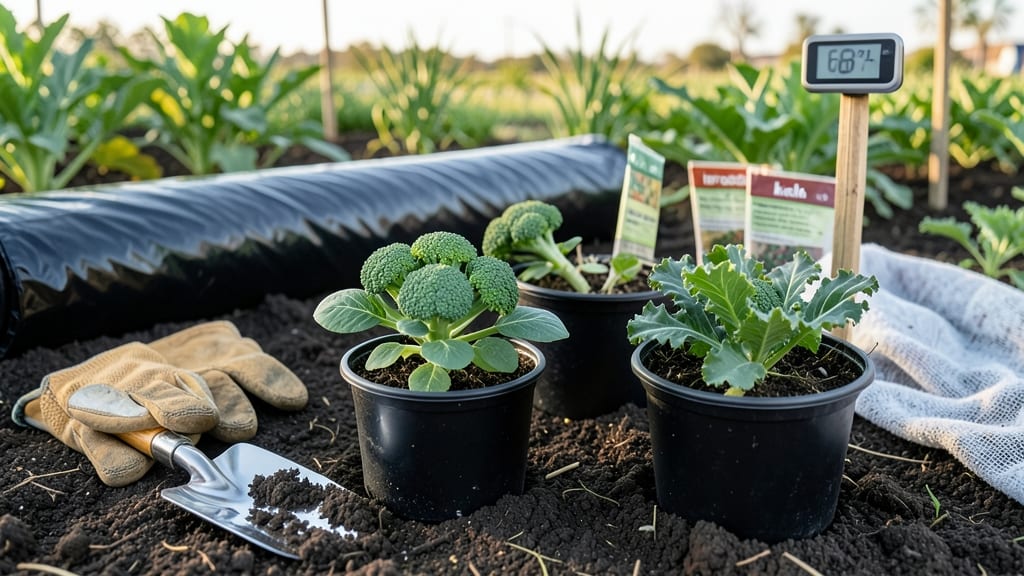
Planting a winter garden in Florida might seem tricky—after all, the state is famous for heat, not frost. But here’s the secret: September through November is your golden window to beat the heat and grow a thriving 🥬 winter vegetable garden that lasts until spring.
Unlike northern states, Florida’s mild winters mean you don’t have to worry about killing frosts—but timing still matters. Plant too early, and your seedlings will wilt under lingering summer heat. Too late, and you’ll miss the sweet spot for cold-hardy crops like broccoli and spinach.
In this guide, I’ll break down the exact month-by-month schedule for North, Central, and South Florida, so you can avoid common mistakes and maximize your harvest. Whether you’re a beginner or a seasoned gardener, these tips will help you grow healthier, more abundant crops all winter long.
Ready to turn your Florida backyard into a winter harvest powerhouse? Let’s get started—your first crop is waiting!
Florida’s winter planting calendar: exact dates for frost-free success
Florida’s winter garden season is a golden opportunity for gardeners, but the timing window is narrow. Unlike northern states, Florida’s USDA Zones 8a-11 rarely see frost, but heat lingering into November can still stress young seedlings.
The key? Plant when soil temps drop below 80°F and daytime highs stay under 85°F—typically mid-September to late October.
North Florida (Zones 8a-9a) faces the highest frost risk, with rare events as late as January 10. Central Florida (Zones 9b-10a) enjoys frost-free winters, while South Florida (Zones 10b-11) can grow winter crops year-round.
Your planting strategy must account for these regional differences to avoid heat stress or missed harvests.
For leafy greens like spinach and broccoli, aim to plant 4-6 weeks before the first expected cool snap—usually by mid-October in North Florida and early November in South Florida. Root crops like carrots and turnips can handle slightly warmer soil, so they tolerate late-September plantings.
Here’s your region-specific planting timeline to maximize yields without frost or heat damage:
Use shade cloth (30-50%) for heat-sensitive crops like lettuce planted in South Florida’s August. In North Florida, prioritize frost-tolerant varieties (e.g., ‘Winterbor’ kale) to hedge against rare cold snaps. Succession planting every 2-3 weeks ensures a continuous harvest from December to April.
Test your soil temperature with a soil thermometer—ideal temps for winter crops hover around 65-75°F. If soil is still above 80°F, delay planting or use row covers to cool roots. Mulching with straw also helps regulate soil temps and retain moisture during Florida’s dry winter months.
For fast-growing crops like radishes (30 days) or baby spinach (40 days), start seeds 2-3 weeks earlier than your zone’s ideal window.
This staggered approach lets you harvest before spring heat arrives in March. Peas and fava beans thrive in cooler temps and can be planted as late as December in North Florida.
Remember: Florida’s winter garden success hinges on two critical factors—timing and crop selection. Heat-tolerant varieties (like ‘Top Bunch’ broccoli) outperform traditional cold-hardy types in Florida’s mild but unpredictable winters. Plan now, and you’ll enjoy fresh harvests when most gardeners are still dreaming of spring!
🌱
Florida’s winter planting calendar: exact dates for frost-free success
Florida’s winter garden success hinges on timing. Unlike northern states, we don’t deal with harsh freezes—but heat tolerance and cool-season crops still require precision. The key is planting when daytime temps drop below 85°F but before rare frosts (yes, they happen in North Florida!).
Start in September for most crops, but adjust based on your region.
North Florida (Zones 8a-9a) faces the highest frost risk, with potential light freezes by mid-December. Central Florida (Zones 9b-10a) enjoys frost-free winters, while South Florida (Zones 10b-11) can plant year-round—but heat-sensitive crops like broccoli still need cooler temps.
Use these regional guidelines to align your planting with Florida’s microclimates.
| Region | Best Planting Window | Key Crops | Soil Temp Goal |
|---|---|---|---|
| North Florida (8a-9a) | Sept 15–Oct 15 | Broccoli, Cabbage, Carrots | 65–75°F |
| Central Florida (9b-10a) | Aug 20–Nov 1 | Collards, Spinach, Radishes | 70–80°F |
| South Florida (10b-11) | Aug 1–Nov 15 | Kale, Turnips, Peas | 75–85°F |
🌱 Pro Tip: Use shade cloth (30-50%) for early Sept plantings to protect seedlings from lingering summer heat.
For leafy greens like lettuce or spinach, aim to plant 4-6 weeks before your area’s first cool snap.
In North Florida, that’s early October; in South Florida, you can stretch it to November. Root crops (carrots, beets) tolerate slightly warmer soil, so plant them 2 weeks earlier than greens.
Soil temperature is your secret weapon. Use a soil thermometer to confirm it’s below 80°F before planting. Cool soil (65–75°F) speeds up germination for cool-season crops.
If your soil is still too warm, wait 1–2 weeks or use black plastic mulch to warm it faster for heat-loving crops like radishes.
Don’t overlook succession planting—the key to a continuous harvest. In Florida’s mild winters, you can often squeeze in 2–3 plantings of fast-growing crops like radishes or turnips.
For example, plant a batch in early October, another in mid-November, and a final one in December for a spring harvest before summer heat hits.
Remember: Florida’s winter garden isn’t just about avoiding frost—it’s about balancing heat and cool. With the right timing, you’ll outsmart the unpredictable Florida weather and enjoy fresh homegrown veggies from December through April. Start with these dates, adjust for your microclimate, and watch your garden thrive! 🌿